
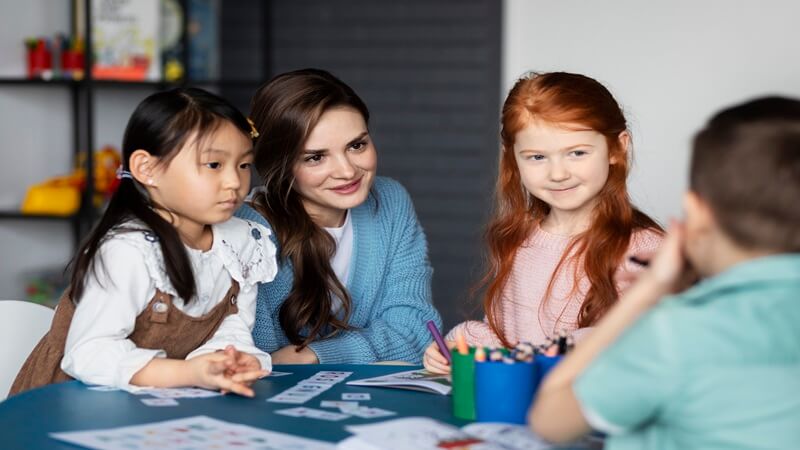
Parenting and child development are among the most important responsibilities in life. Every parent wants their child to grow into a confident, responsible, and kind individual. However, raising children requires patience, consistency, and the right training methods. Modern parenting focuses on teaching children through encouragement, communication, and positive habits instead of fear or punishment. This training llblogkids guide provides practical strategies that parents can use to help children develop essential life skills, emotional intelligence, and good behavior. Whether your child is a toddler, preschooler, or school-aged, these proven techniques will support healthy growth and lifelong success.
What Is Child Training?
Child training is the process of teaching children good habits, positive behavior, responsibility, and important life skills. It is not about controlling children but guiding them toward making good choices.
Effective child training includes:
- Teaching respect and kindness
- Building confidence
- Encouraging independence
- Developing communication skills
- Helping children solve problems
- Creating healthy daily routines
Children learn best when parents provide love, support, and clear expectations.
Why Proper Child Training Is Important
Early childhood experiences shape a child’s future personality and behavior. Good training helps children become emotionally strong and socially responsible.
Some major benefits include:
- Better communication skills
- Improved emotional control
- Strong self-confidence
- Better academic performance
- Respectful behavior
- Healthy relationships
- Greater independence
Children who receive positive guidance are often better prepared to face life’s challenges.
Understanding Your Child’s Development
Every child develops at a different pace. Before teaching new skills, parents should be aware of age-appropriate developmental expectations.
Toddlers (1–3 Years)
Toddlers are naturally curious. They learn through play, observation, and repetition.
Focus on:
- Basic manners
- Simple instructions
- Sharing toys
- Naming emotions
- Safe exploration
Preschool Children (3–5 Years)
Children begin understanding rules and routines.
Teach them:
- Cleaning up toys
- Saying “please” and “thank you”
- Following simple schedules
- Listening carefully
- Expressing feelings respectfully
School-Age Children (6–12 Years)
Children become more independent and responsible.
Important lessons include:
- Homework responsibility
- Time management
- Problem-solving
- Respect for others
- Teamwork
- Healthy friendships
Build a Strong Parent-Child Relationship
The strongest child training starts with trust.
Ways to build connection:
Spend Quality Time
Spend at least 20 minutes every day talking or playing with your child.
Ideas include:
- Reading books
- Playing board games
- Walking together
- Drawing
- Cooking simple meals
Quality time strengthens emotional bonds.
Listen Carefully
Children want to feel heard.
Practice active listening by:
- Maintaining eye contact
- Avoiding interruptions
- Asking questions
- Showing empathy
When children feel understood, they cooperate more willingly.
Create Consistent Daily Routines
Children thrive on predictable routines.
A daily schedule may include:
Morning
- Wake up
- Brush teeth
- Healthy breakfast
- Prepare for school
Afternoon
- Homework
- Outdoor play
- Family conversation
Evening
- Dinner together
- Reading
- Bath
- Bedtime
Consistency reduces stress and improves behavior.
Teach Through Positive Reinforcement
Positive reinforcement encourages children to repeat good behavior.
Examples include:
- Praising effort
- Celebrating small achievements
- Giving hugs
- Using reward charts
- Offering encouraging words
Instead of saying:
“You never clean your room.”
Try saying:
“I appreciate how you organized your toys today.”
Positive words increase confidence.
Encourage Independence
Children become more responsible when they are allowed to make appropriate choices.
Allow them to:
- Dress themselves
- Pack school bags
- Help prepare meals
- Organize toys
- Feed pets
Small responsibilities teach valuable life skills.
Teach Respect
Respect begins at home.
Parents should model respectful behavior by:
- Speaking politely
- Listening patiently
- Saying “please”
- Saying “thank you”
- Respecting children’s opinions
Children imitate what they observe.
Set Clear Rules
Every family needs reasonable rules.
Examples include:
- Tell the truth.
- Respect everyone.
- Finish homework before screen time.
- Clean up after playing.
- Speak politely.
Rules should be simple, fair, and consistently enforced.
Teach Emotional Intelligence
Children experience many emotions but often struggle to express them.
Help children identify feelings such as:
- Happiness
- Anger
- Sadness
- Fear
- Excitement
- Disappointment
Teach healthy ways to manage emotions:
- Deep breathing
- Counting slowly
- Talking about feelings
- Drawing emotions
- Taking short breaks
Emotional intelligence supports healthy relationships throughout life.
Develop Good Communication Skills
Good communication prevents misunderstandings.
Encourage children to:
- Ask questions
- Express opinions respectfully
- Listen when others speak
- Solve conflicts peacefully
Family discussions help children build confidence.
Encourage Reading Habits
Reading develops language, imagination, and creativity.
Helpful tips:
- Read together daily
- Visit libraries
- Choose age-appropriate books
- Ask questions about stories
- Let children select books they enjoy
Reading also improves school performance.
Healthy Lifestyle Habits
Good health supports learning and development.
Teach children:
- Eat nutritious meals
- Drink enough water
- Exercise regularly
- Sleep on time
- Limit sugary snacks
Healthy bodies support healthy minds.
Teach Responsibility
Children should understand that every action has consequences.
Simple responsibilities include:
- Making their bed
- Putting dirty clothes in the laundry basket
- Completing homework
- Caring for school supplies
- Helping with household chores
These habits prepare children for adulthood.
Reduce Screen Time
Technology can be helpful when used wisely.
Parents should:
- Set screen time limits
- Encourage outdoor play
- Choose educational content
- Keep devices away during meals
- Avoid screens before bedtime
Balanced technology use supports healthier development.
Solve Problems Together
Instead of solving every problem for your child, encourage them to think independently.
Ask questions like:
- What happened?
- What could you do differently?
- How can we fix this together?
Problem-solving builds confidence and critical thinking.
Be Patient
Every child learns differently.
Some children learn quickly, while others need more time and encouragement.
Avoid:
- Comparing children
- Shouting
- Harsh punishment
Instead, remain calm and supportive.
Encourage Learning Through Play
Play is one of the most effective ways children learn. Educational games, puzzles, building blocks, art activities, and role-playing help children develop creativity, problem-solving skills, and teamwork.
Ideas for learning through play include:
- Building with blocks to improve creativity.
- Playing memory games to strengthen concentration.
- Drawing and painting to encourage self-expression.
- Outdoor games to improve physical health.
- Storytelling activities to build language skills.
Learning becomes enjoyable when children see it as fun instead of a task.
Teach Problem-Solving Skills
Life presents challenges every day, so children should learn how to solve problems independently.
Help them by:
- Asking open-ended questions.
- Encouraging them to think of multiple solutions.
- Discussing possible outcomes.
- Allowing them to make safe decisions.
Instead of immediately providing answers, guide them toward finding solutions on their own. This builds confidence and critical thinking.
Use Positive Discipline
Positive discipline teaches children rather than punishing them. The goal is to help them understand their mistakes and make better choices in the future.
Effective discipline methods include:
- Explaining why a behavior is inappropriate.
- Using natural consequences when appropriate.
- Staying calm during disagreements.
- Encouraging children to apologize when necessary.
- Helping them find better ways to respond next time.
Children learn more from guidance than from fear.
Encourage Responsibility at Home
Giving children responsibilities teaches accountability and independence.
Age-appropriate chores include:
Young Children
- Putting toys away.
- Feeding a pet with supervision.
- Setting the dinner table.
Older Children
- Organizing their school bag.
- Washing simple dishes.
- Folding clothes.
- Helping prepare meals.
Completing responsibilities helps children develop confidence and valuable life skills.
Support Success at School
Parents play an important role in academic achievement.
Support your child’s education by:
- Creating a quiet study space.
- Establishing homework routines.
- Communicating with teachers.
- Celebrating effort rather than only grades.
- Encouraging curiosity and questions.
A supportive home environment improves learning and motivation.
Teach Good Manners
Good manners help children build respectful relationships.
Important habits include:
- Saying “please” and “thank you.”
- Greeting others politely.
- Waiting their turn.
- Respecting personal space.
- Speaking kindly.
Children who practice good manners often develop stronger friendships and better social skills.
Build Self-Confidence
Confidence allows children to face challenges without fear.
Ways to build confidence include:
- Praising effort instead of perfection.
- Allowing children to make decisions.
- Encouraging new experiences.
- Celebrating achievements.
- Supporting them after failures.
Every success, no matter how small, helps children believe in themselves.
Teach Financial Responsibility
Basic money lessons prepare children for adulthood.
Parents can teach:
- Saving money regularly.
- Spending wisely.
- Understanding needs versus wants.
- Setting simple savings goals.
- Appreciating the value of hard work.
These lessons create responsible financial habits early in life.
Encourage Healthy Friendships
Friends influence a child’s development.
Teach children to:
- Respect differences.
- Choose kind friends.
- Avoid bullying.
- Include others during play.
- Resolve conflicts peacefully.
Healthy friendships improve emotional well-being and social confidence.
Develop Good Digital Habits
Technology is part of modern childhood, but balance is essential.
Parents should:
- Monitor online activities.
- Teach internet safety.
- Set reasonable screen-time limits.
- Encourage educational websites and apps.
- Keep family conversations about responsible technology use.
Healthy digital habits protect children while allowing them to benefit from technology.
Common Parenting Mistakes to Avoid
Even caring parents can make mistakes. Recognizing them helps improve parenting.
Avoid:
- Comparing your child with others.
- Using harsh punishment.
- Giving inconsistent rules.
- Ignoring positive behavior.
- Solving every problem for your child.
- Expecting perfection.
- Spending little quality time together.
Instead, focus on patience, encouragement, and consistency.
Practical Daily Parenting Tips
Simple daily habits make a big difference.
- Eat at least one meal together.
- Read for 20 minutes every day.
- Encourage outdoor play.
- Listen carefully to your child’s concerns.
- Praise positive behavior.
- Maintain regular bedtime routines.
- Show affection through hugs and kind words.
- Lead by example.
Small actions repeated every day create lifelong positive habits.
Frequently Asked Questions
How can parents improve their child’s behavior?
Stay consistent, communicate clearly, praise good behavior, and use positive discipline instead of harsh punishment.
At what age should child training begin?
Training begins during infancy through daily interactions. Simple routines and positive guidance become more structured during the toddler and preschool years.
Is punishment necessary?
Positive discipline is usually more effective than harsh punishment. Teaching children why behavior matters encourages long-term improvement.
How important are routines?
Daily routines provide structure, reduce anxiety, and help children understand expectations.
Can every child learn responsibility?
Yes. With patience, age-appropriate responsibilities, and encouragement, every child can develop responsibility over time.
Final Thoughts
Raising confident, responsible, and compassionate children takes dedication, patience, and consistency. Parents do not need to be perfect; they simply need to provide love, guidance, and positive examples every day. This training llblogkids guide demonstrates that successful parenting is built on communication, trust, encouragement, and healthy routines. By using positive reinforcement, teaching responsibility, supporting emotional growth, and maintaining clear boundaries, parents can help children develop the skills they need for lifelong success. Remember that every child learns at their own pace. Celebrate progress, encourage curiosity, and provide growth opportunities. The habits children develop today will shape the adults they become tomorrow. With the right mindset and consistent effort, every family can create a nurturing environment where children feel safe, valued, and inspired to reach their full potential. Thank you for reading this training llblogkids guide. We hope these practical strategies help you strengthen your parenting journey and build a happier, healthier future for your child. The principles shared in this training llblogkids article are designed to support families in raising confident, respectful, and successful children through love, patience, and positive guidance.