
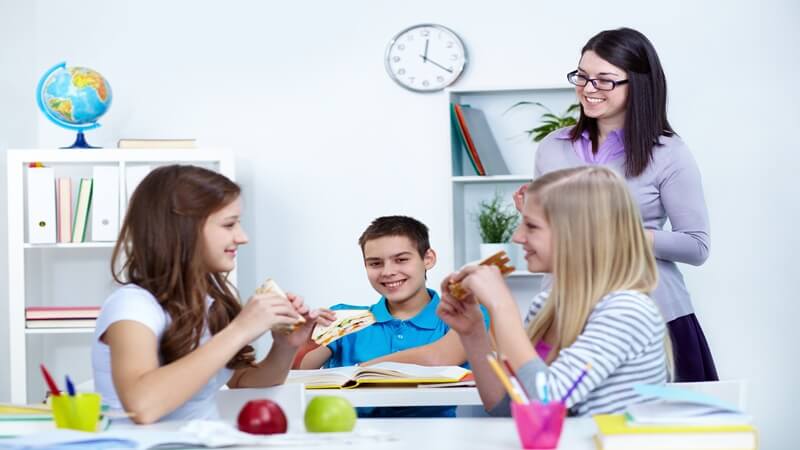
Raising children in today’s fast-changing world requires more than basic parenting—it demands thoughtful strategies, consistency, and a deep understanding of child development. Parents and caregivers often struggle to balance education, discipline, creativity, and emotional growth. This is where training advice llblogkids becomes highly valuable, offering a structured yet flexible approach to guide children toward success.
This comprehensive guide provides practical training methods, proven principles, and actionable hacks to help children develop essential life skills while enjoying the learning process.
Understanding the Foundation of Child Training
Child training is not about strict control or forcing obedience. It is about guiding children to become:
- Independent thinkers
- Emotionally strong individuals
- Responsible decision-makers
- Creative problem-solvers
Training begins early and evolves with age. The goal is to create a supportive environment where children can learn through experience, encouragement, and consistency.
Core Training Principles Every Parent Should Follow
Effective child training is based on a few powerful principles. These are the foundations of all successful parenting strategies.
1. Play-Based Learning
Children learn best through play. Activities like playing football, building blocks, or visiting a park are not just fun—they are powerful learning tools.
For example:
- Playing football teaches teamwork and coordination
- Building blocks develop problem-solving and creativity
- Outdoor exploration introduces basic science concepts
Play-based learning makes complex ideas simple and engaging.
2. Consistency and Routine
Consistency builds discipline and stability in children’s lives. Instead of long study sessions, short daily routines are more effective.
Best Practice:
- 10–20 minutes of focused learning daily
- Fixed times for study, play, and rest
- Predictable daily structure
Children feel more secure when they know what to expect.
3. Positive Reinforcement
Children respond better to encouragement than punishment.
Instead of saying:
“You did this wrong.”
Say:
“You tried really hard—let’s improve it together.”
This builds a growth mindset in which children value effort and persistence.
4. Digital Literacy with Balance
Technology is an important part of modern learning, but it must be used wisely.
Encourage:
- Educational apps
- Creative tools like design platforms
- Interactive learning videos
At the same time:
- Limit screen time
- Encourage outdoor play
- Promote real-world interaction
Balanced use of technology supports both learning and well-being.
Practical Training Hacks for Parents and Caregivers
The concept of training advice llblogkids includes smart, actionable strategies that make parenting easier and more effective.
1. The “Playful Schedule” Method
Turn daily routines into fun adventures.
Instead of saying:
“Do your homework.”
Say:
“Let’s complete today’s learning mission!”
You can create:
- Reward charts
- Stickers for completed tasks
- Daily “quests”
This keeps children motivated and excited.
2. Multisensory Learning Stations
Children learn differently, so using multiple senses improves understanding.
Set up areas for:
- Touch: clay, sand, building toys
- Sound: music, storytelling
- Sight: flashcards, drawings
This approach strengthens memory and engagement.
3. Story-First Learning
Children remember stories better than instructions.
Example:
Instead of teaching math directly, create a story:
“A shopkeeper needs help counting items.”
Stories make learning natural and enjoyable.
4. Question of the Day
Ask one open-ended question daily to build thinking skills.
Examples:
- “What made you happy today?”
- “How would you solve this problem?”
- “What would you invent if you could?”
This improves communication and critical thinking.
Age-Specific Training Strategies
Children’s needs change as they grow. Effective training must adapt accordingly.
Toddlers (Ages 2–4)
At this stage, children learn through exploration and sensory experiences.
Focus Areas:
- Basic communication
- Motor skills
- Simple routines
Best Activities:
- Sensory play (sand, water, clay)
- Simple instructions
- Repetition-based learning
Keep activities short and engaging.
Early Childhood (Ages 5–7)
Children begin structured learning and understand rules.
Focus Areas:
- Reading and writing basics
- Counting and simple math
- Responsibility
Training Tips:
- Introduce small chores
- Use educational games
- Encourage creative expression
Consistency is key at this stage.
Middle Childhood (Ages 8–12)
Children develop independence and logical thinking.
Focus Areas:
- Problem-solving
- Time management
- Self-discipline
Training Methods:
- Assign responsibilities
- Encourage goal-setting
- Introduce real-life problem-solving tasks
At this stage, guidance should shift toward independence.
Building Emotional Intelligence
Emotional development is just as important as academic learning.
Teach Emotional Awareness
Help children identify feelings such as:
- Happiness
- Anger
- Fear
- Frustration
Understanding emotions helps children control them better.
Encourage Expression
Allow children to:
- Talk about their feelings
- Share experiences
- Express concerns
This builds trust and confidence.
Teach Coping Skills
Simple techniques include:
- Deep breathing
- Taking breaks
- Talking through problems
These skills help children manage stress effectively.
Encouraging Responsibility and Independence
One of the most important parts of training advice for kids is helping children become independent.
Start Small
Assign simple tasks like:
- Cleaning toys
- Organizing books
- Helping with small chores
Gradually increase responsibility as they grow.
Allow Decision-Making
Give children choices:
- What to wear
- When to study (within limits)
- Which activity to do
This builds confidence and decision-making skills.
Creating a Positive Learning Environment
The environment plays a huge role in child development.
1. Organized Space
Keep learning areas clean and distraction-free.
2. Encouraging Atmosphere
Use positive words like:
- “You can do it.”
- “Great effort”
- “Keep trying”
3. Balanced Routine
Include:
- Study time
- Play time
- Rest time
Balance prevents burnout and improves focus.
Handling Common Parenting Challenges
Every parent faces difficulties. Here’s how to manage them effectively.
1. Lack of Interest
Solution:
- Use fun activities
- Change teaching methods
- Keep sessions short
2. Too Much Screen Time
Solution:
- Set limits
- Encourage outdoor play
- Offer creative alternatives
3. Behavioral Issues
Solution:
- Stay calm
- Set clear boundaries
- Be consistent
The Role of Parents as Role Models
Children learn by observing adults.
If you want your child to:
- Be respectful → Show respect
- Be patient → Practice patience
- Be honest → Demonstrate honesty
Your behavior shapes theirs.
Long-Term Benefits of Proper Training
When children are guided correctly, they develop:
- Strong confidence
- Emotional stability
- Academic success
- Social skills
- Independent thinking
These qualities prepare them for future challenges.
Final Thoughts
Effective parenting is not about perfection—it is about consistency, understanding, and continuous learning. The strategies shared in this guide highlight how structured training, combined with creativity and emotional support, can transform a child’s development.
By applying the principles of training advice, llblogkids, parents, and caregivers can create a nurturing environment where children thrive academically, socially, and emotionally. From playful learning and daily routines to positive reinforcement and independence, every small effort contributes to long-term success.