Introduction
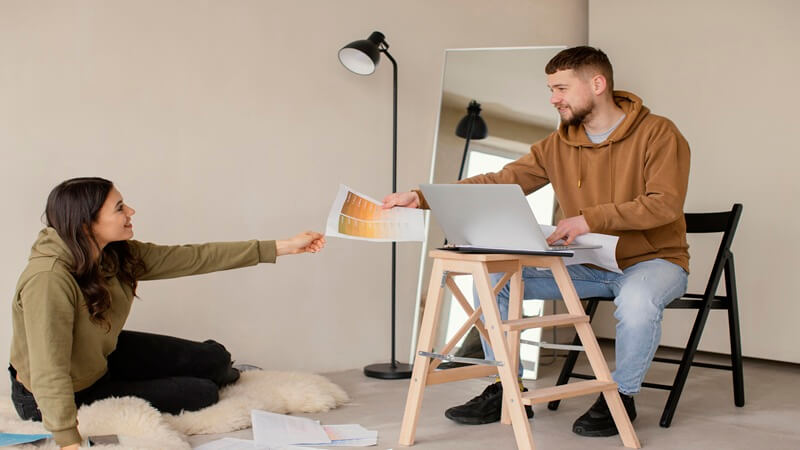
A comfortable and attractive home does not always require a complete renovation or a large investment. In many cases, small improvements can make a noticeable difference in the way a home looks, feels, and functions. From better lighting and smarter storage to updated décor and practical technology, homeowners can transform ordinary spaces into comfortable and efficient environments. Modern homeowners increasingly want their homes to serve several purposes. A living room may also become a workspace, a bedroom may include a study corner, and a kitchen may function as both a cooking and social area. Therefore, every improvement should combine appearance with practicality. The right llbloghome upgrade tips and tricks can help homeowners make thoughtful improvements without unnecessary expenses. Instead of changing everything at once, you can identify problem areas, establish priorities, and complete upgrades gradually. This approach makes home improvement easier to manage while producing long-lasting results. Whether you live in a small apartment, a family house, or a larger property, the following ideas can help you create a cleaner, more organized, comfortable, and modern living space.
Why Home Upgrades Are Important
Home upgrades are not only about decoration. A well-planned improvement can make everyday activities easier and help you use your available space more effectively.
Some important benefits include:
- Improved comfort and convenience
- Better organization
- More efficient use of space
- Improved appearance
- Greater functionality
- Potential increase in property appeal
- Better energy efficiency
- A more relaxing atmosphere
For example, replacing outdated lighting can improve visibility while also changing the mood of a room. Similarly, adding shelves can reduce clutter and provide additional storage without requiring major construction. The most successful upgrades solve real problems. Before purchasing anything, consider what is not working well in your home and choose improvements that address those issues.
Start With a Home Improvement Assessment
Before beginning any project, walk through your home and identify areas that need attention. Look at each room separately and consider its current condition.
Ask yourself:
- Is the room too crowded?
- Is there enough storage?
- Does the lighting work properly?
- Are the furniture arrangements practical?
- Are there unused spaces?
- Does the décor still match your preferences?
- Are there maintenance problems that need attention?
Create a priority list based on your answers. Safety and maintenance issues should always come before purely decorative upgrades. For example, repairing damaged flooring or fixing electrical problems should take priority over purchasing decorative accessories. Once essential repairs are complete, you can focus on appearance and comfort.
Refresh Your Living Room
The living room is often the center of family life, so even small changes can have a significant impact.
Rearrange the Furniture
You do not always need new furniture to create a fresh appearance. Try changing the arrangement of your sofa, chairs, tables, and other items. Keep pathways open and avoid placing too many large pieces together. A good furniture arrangement should make conversation easy while allowing people to move comfortably around the room.
Improve Lighting
Lighting strongly influences the atmosphere of a room. Combine different types of lighting instead of relying on one ceiling fixture.
Consider:
- Floor lamps
- Table lamps
- Wall lights
- Task lighting
- Energy-efficient LED bulbs
Use brighter lighting for activities such as reading and softer lighting for relaxation.
Add Simple Decorative Elements
A few carefully selected accessories can refresh the room without making it feel crowded. Consider adding a rug, cushions, artwork, curtains, or indoor plants. However, avoid adding too many decorations. A balanced room usually looks more attractive than an overcrowded one.
Make the Kitchen More Functional
The kitchen benefits greatly from organization because cooking becomes difficult when counters and cabinets are cluttered.
Organize Cabinets and Drawers
Use drawer dividers, shelf risers, baskets, and containers to create designated spaces for different items. Group similar products together. For example, keep cooking utensils in one area, baking supplies in another, and frequently used ingredients where they are easy to reach.
Keep Countertops Clear
Counter space is valuable. Store appliances and accessories that you rarely use instead of leaving everything on the counter. Keeping frequently used items accessible while removing unnecessary clutter can make the kitchen feel larger.
Update Cabinet Hardware
Replacing old cabinet handles and knobs can provide an inexpensive visual update. Choose hardware that complements the existing kitchen style. Before buying new hardware, measure the distance between existing screw holes to ensure compatibility.
Improve Kitchen Lighting
Good lighting makes food preparation safer and easier. Consider adding task lighting beneath cabinets or improving lighting over work areas. If electrical work is required, use a qualified professional rather than attempting complicated installations yourself.
Create a Relaxing Bedroom
Your bedroom should provide a comfortable environment for rest and relaxation.
Choose Calming Colors
Soft neutral or muted shades can create a peaceful atmosphere. You do not necessarily need to repaint the entire room. Updating bedding, curtains, cushions, or artwork can introduce a new color scheme.
Improve Storage
Bedrooms often become cluttered because clothing and personal belongings lack designated storage.
Useful options include:
- Under-bed containers
- Floating shelves
- Closet organizers
- Storage benches
- Bedside cabinets
Use vertical space whenever possible, especially in smaller bedrooms.
Upgrade Bedding
Comfortable bedding can make the bedroom feel more inviting. Choose materials and textures that suit your preferences and climate. Also, avoid storing unnecessary objects around the bed because a cleaner environment can make the room feel more relaxing.
Use Smart Storage Solutions
Storage is one of the most important aspects of a functional home. Instead of simply adding more cabinets, look for unused spaces that can provide additional storage.
Consider:
- Wall-mounted shelves
- Storage baskets
- Under-bed containers
- Multi-purpose furniture
- Over-door organizers
- Built-in cabinets
Furniture with hidden storage is particularly useful in smaller homes. A storage ottoman, for example, can provide seating while also holding blankets, books, or other items. The goal is not to hide everything. Instead, create an organized system where every frequently used item has a logical place.
Declutter Before Decorating
One of the easiest ways to improve your home is to remove things you no longer need.
Go through one area at a time and separate belongings into categories such as:
- Keep
- Donate
- Recycle
- Dispose
Avoid trying to declutter the entire home in one day. Completing smaller areas makes the process less overwhelming. Once unnecessary items are removed, you may discover that you do not need additional furniture or storage products.
Upgrade Your Home Office
Many homes now require a dedicated area for work, study, or online activities.
A functional home office should provide:
- A suitable desk
- Comfortable seating
- Adequate lighting
- Organized cables
- Storage for essential supplies
- Minimal distractions
If space is limited, create a small workstation using a wall-mounted desk or a compact table. Keep the workspace separate from relaxation areas when possible. This distinction can make it easier to concentrate during working hours and disconnect afterward.
Improve Your Bathroom
Bathrooms can also benefit from small upgrades. Replace worn-out accessories, organize toiletries, and use wall-mounted storage to maximize available space.
Simple improvements include:
- New towel racks
- Shower organizers
- Wall shelves
- Matching containers
- Better lighting
- Updated mirrors
Keep safety in mind. Wet floors and loose electrical equipment can create hazards, so repairs and installations should be handled appropriately.
Make Better Use of Outdoor Spaces
If your home has a balcony, patio, garden, or small outdoor area, you can improve it without major construction. Add comfortable seating, suitable lighting, plants, and practical storage. Even a small balcony can become a relaxing place for reading or enjoying fresh air. Choose outdoor furniture and materials that can withstand local weather conditions.
Consider Energy-Efficient Improvements
Energy efficiency can improve comfort while potentially reducing household expenses.
Some practical options include:
- LED lighting
- Energy-efficient appliances
- Improved insulation
- Weather sealing around doors and windows
- Smart thermostats where appropriate
- Efficient fans and cooling systems
Before purchasing a new appliance, compare its energy rating, operating cost, expected lifespan, and maintenance requirements. Energy-saving improvements are especially valuable when they address areas of high household consumption.
Add Smart Home Technology
Technology can make homes more convenient, but smart devices should solve real problems rather than simply follow trends.
Useful smart-home options may include:
- Smart lighting
- Programmable thermostats
- Smart plugs
- Video doorbells
- Home security systems
- Automated blinds
Always consider privacy and security when connecting devices to your home network. Use strong passwords, update device software, and purchase products from reputable manufacturers.
Use Mirrors Strategically
Mirrors can make a room appear brighter and more spacious. Place them where they can reflect natural or artificial light. A large mirror can work particularly well in an entryway, bedroom, or living room. However, avoid positioning mirrors where they create uncomfortable glare or reflect clutter.
Bring Nature Indoors
Indoor plants can add texture and visual interest to a room. Choose varieties that match the available light and your ability to care for them. If you have limited natural light, consider plants that tolerate lower-light environments or use appropriate artificial alternatives for decoration. Do not overcrowd rooms with plants. A few strategically placed options can have a stronger visual effect than dozens of small pots.
Choose Multi-Functional Furniture
Multi-functional furniture is especially useful for apartments and smaller homes.
Examples include:
- Sofa beds
- Extendable dining tables
- Storage beds
- Folding desks
- Ottomans with storage
- Nesting tables
Before purchasing multi-functional furniture, check its dimensions carefully. A product may look useful online but become inconvenient if it occupies too much space when fully extended.
Create Functional Zones
Open-plan homes can sometimes feel disorganized because different activities happen in the same space. Create functional zones using furniture, rugs, lighting, or shelving.
For example:
- Use a rug to define the sitting area.
- Place a desk near a well-lit wall for work.
- Use shelving to separate storage from relaxation areas.
- Create a small reading corner with a chair and lamp.
Functional zones make multi-purpose rooms easier to use.
Follow Modern Design Without Losing Personality
Home trends can provide inspiration, but you do not need to follow every trend.
Popular contemporary approaches include:
- Minimalist organization
- Natural textures
- Neutral colors
- Sustainable materials
- Multi-functional furniture
- Smart technology
- Flexible living spaces
Choose trends that complement your lifestyle rather than replacing your personal preferences. A beautiful home should reflect the people who live there.
Set a Realistic Home Improvement Budget
Budget planning prevents unnecessary spending.
Divide your budget into categories such as:
- Essential repairs
- Functional improvements
- Decorative upgrades
- Technology
- Unexpected expenses
Keep a small reserve for unexpected costs, especially when working on older properties.
Do not feel pressured to complete every project immediately. Prioritize improvements according to importance and complete them gradually.
Avoid Common Home Upgrade Mistakes
Several common mistakes can reduce the effectiveness of an upgrade.
Buying Before Measuring
Always measure your space before purchasing furniture, shelves, rugs, or appliances.
Focusing Only on Appearance
A beautiful item is not necessarily useful. Consider comfort, durability, maintenance, and functionality.
Overcrowding a Room
Too much furniture makes movement difficult and can make a room appear smaller.
Ignoring Maintenance
New décor cannot compensate for leaking pipes, damaged flooring, poor ventilation, or other essential problems.
Copying Trends Completely
Your home should fit your lifestyle. Trends should provide inspiration rather than dictate every decision.
Create a Step-by-Step Upgrade Plan
A structured approach makes home improvement easier.
Step 1: Identify Problems
Determine which areas require improvement.
Step 2: Set Priorities
Address safety, maintenance, and functionality before decoration.
Step 3: Establish a Budget
Decide how much you can comfortably spend.
Step 4: Research Options
Compare materials, products, designs, and installation requirements.
Step 5: Start Small
Complete one room or project before moving to another.
Step 6: Review the Results
After completing an upgrade, evaluate whether it actually improved the space. This process prevents impulsive purchases and helps you achieve a more consistent result.
Final Thoughts
Improving your home does not require a complete transformation. Thoughtful changes to lighting, storage, furniture, organization, technology, and décor can create significant improvements while keeping costs manageable. The most effective llbloghome upgrade tips and tricks focus on solving everyday problems while making spaces more comfortable and attractive. Start by assessing your home, identifying priorities, and setting a realistic budget. Then make improvements gradually according to your needs. Remember that a successful home upgrade is not simply about creating a stylish interior. It is about building a space that supports your daily routine, reflects your personality, and remains practical for the people who live there. With careful planning and smart choices, even modest improvements can turn an ordinary home into a more organized, comfortable, efficient, and enjoyable place to live.