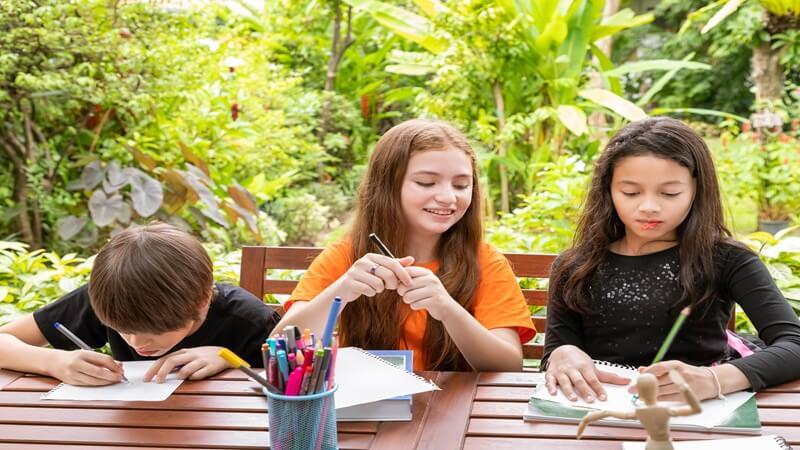
Introduction
Every parent wants to give their child the best possible education and a strong foundation for the future. However, learning should not feel stressful or boring. Children understand concepts more effectively when education is interactive, enjoyable, and suited to their age and interests. That is why llblogkids educational by lovelolablog has become a valuable resource for parents, teachers, and caregivers who want to create meaningful learning experiences. Instead of relying only on traditional teaching methods, modern education encourages creativity, critical thinking, communication, and hands-on activities. Children who enjoy learning are more likely to stay curious, develop confidence, and perform better both academically and socially. This complete guide explains the importance of child-centered education, practical learning strategies, age-appropriate activities, technology use, emotional development, and ways parents can support their children’s educational journey. By applying these ideas consistently, families can help children build lifelong learning habits and essential life skills.
Why Educational Learning Matters
Education is much more than reading books and memorizing facts. It helps children understand the world around them while developing valuable skills they will use throughout life.
A quality educational environment encourages children to:
- Think independently
- Solve everyday problems
- Improve communication skills
- Build creativity
- Increase self-confidence
- Learn teamwork
- Develop responsibility
- Strengthen emotional intelligence
When children enjoy learning, they naturally become more motivated to explore new ideas.
Benefits of Early Learning
Early childhood education creates a strong foundation for future success.
Improves Brain Development
The first few years of life are extremely important for brain growth. During this period, children quickly absorb information and develop important thinking skills.
Builds Language Skills
Reading books, listening to stories, and having conversations help children improve vocabulary, pronunciation, and communication.
Encourages Creativity
Creative activities allow children to express their ideas freely while improving imagination and confidence.
Develops Social Skills
Learning together teaches children how to cooperate, share, respect others, and solve conflicts peacefully.
Core Principles of Effective Learning
Successful education follows several important principles.
Child-Centered Learning
Every child learns differently. Some children enjoy drawing, while others prefer building, reading, singing, or exploring nature. Parents should understand their child’s learning style and adapt activities accordingly.
Learning Through Play
Play is one of the most effective teaching methods for young children. Games naturally improve concentration, creativity, and memory without making learning feel difficult.
Examples include:
- Puzzle games
- Building blocks
- Memory matching
- Alphabet games
- Number activities
Small Daily Goals
Instead of overwhelming children with long lessons, divide learning into short sessions.
For example:
- Learn one new word
- Read one short story
- Solve five math questions
- Draw one picture
Small achievements build confidence every day.
Positive Reinforcement
Praise effort instead of perfection.
Simple encouragement such as:
- Excellent work!
- Great thinking!
- Keep trying!
- I’m proud of your effort.
These positive words motivate children to continue learning.
Creating a Fun Learning Environment
Children learn best when they feel comfortable.
A productive learning space should include:
- Good lighting
- Comfortable seating
- Organized books
- Educational toys
- Minimal distractions
- Positive decorations
Keep the learning area clean and inviting.
Daily Educational Activities
Parents do not need expensive resources to teach children.
Simple daily activities include:
Story Reading
Reading together improves language skills, imagination, and listening ability.
Drawing
Drawing develops creativity and fine motor skills.
Counting Objects
Ask children to count fruits, toys, pencils, or chairs around the house.
Nature Walks
Outdoor learning teaches children about plants, animals, weather, and the environment.
Cooking Together
Cooking introduces measurement, counting, science, and teamwork practically.
Technology as a Learning Tool
Technology should support education rather than replace real-life experiences.
Educational apps can help children practice:
- Mathematics
- Reading
- Science
- Geography
- Languages
- Problem-solving
Parents should monitor screen time and choose age-appropriate educational content. A healthy balance between digital and offline learning creates the best results.
Age-Based Learning Strategies
Ages 2–4
Young children learn mainly through sensory experiences.
Recommended activities:
- Singing songs
- Shape matching
- Color recognition
- Storytelling
- Building blocks
- Water play
Ages 5–7
Children begin developing reading and writing skills.
Helpful activities include:
- Alphabet games
- Reading practice
- Number puzzles
- Creative crafts
- Science experiments
- Simple writing exercises
Ages 8–10
Older children can handle more challenging activities.
Examples include:
- Research projects
- Teamwork activities
- Coding basics
- Problem-solving games
- Educational quizzes
- Public speaking practice
These activities prepare children for future academic success.
Building Strong Learning Habits
Successful learners usually develop healthy routines.
Parents can encourage children to:
- Read every day
- Ask questions
- Finish homework on time
- Stay organized
- Practice regularly
- Take short breaks
- Sleep well
- Eat healthy meals
Consistency is more important than perfection.
The Role of Parents
Parents play one of the biggest roles in a child’s education.
Effective parents:
- Listen carefully
- Encourage curiosity
- Celebrate achievements
- Help solve problems
- Provide emotional support
- Create learning opportunities
Children learn not only from instructions but also by observing adult behavior.
Teachers and Caregivers
Teachers and caregivers work together with parents to create a complete learning experience.
They should:
- Encourage participation
- Use creative teaching methods
- Respect different learning styles
- Build confidence
- Maintain open communication with families
Strong cooperation improves educational outcomes.
Developing Life Skills
Education should prepare children for real life.
Important life skills include:
- Communication
- Leadership
- Responsibility
- Decision-making
- Time management
- Emotional control
- Critical thinking
- Creativity
Teaching these skills early benefits children throughout adulthood.
Common Learning Challenges
Many children face learning difficulties at different stages.
Short Attention Span
Use shorter lessons with fun activities.
Lack of Motivation
Introduce reward systems and enjoyable educational games.
Fear of Mistakes
Teach children that mistakes are part of learning.
Too Much Screen Time
Balance technology with outdoor activities, reading, sports, and family interaction.
Practical Educational Tips
Parents can improve learning by following these simple strategies:
- Read together every evening.
- Ask open-ended questions.
- Encourage curiosity.
- Create daily routines.
- Limit unnecessary screen time.
- Celebrate progress.
- Introduce educational games.
- Allow children to explore their interests.
- Practice patience.
- Lead by example.
These habits make education enjoyable and effective.
Why Families Choose llblogkids educational by lovelolablog
Many parents appreciate llblogkids educational by lovelolablog because it combines practical guidance with creative learning ideas that children genuinely enjoy. Instead of focusing only on academic performance, it encourages balanced development by improving creativity, communication, confidence, emotional intelligence, and problem-solving skills. These child-friendly strategies help make learning a positive daily experience for the whole family.
Conclusion
Every child has unique talents and learning abilities. The goal of education is not simply to achieve high grades but to build confidence, curiosity, creativity, and lifelong learning habits. With patience, encouragement, and the right educational methods, parents and teachers can help children reach their full potential. By following the ideas shared in llblogkids educational by lovelolablog, families can create engaging learning experiences that inspire children to explore, ask questions, solve problems, and enjoy every step of their educational journey. A supportive environment, consistent guidance, and positive encouragement will help children grow into confident, responsible, and successful learners who are prepared for the future.