
Introduction
Waste management is one of the most critical environmental and public health challenges facing the United States today. With a population of over 330 million people generating hundreds of millions of tons of waste annually, the systems, policies, and technologies that govern how waste is collected, processed, and disposed of have never been more important.
From municipal solid waste to hazardous industrial byproducts, the infrastructure built around waste removal touches every community, business, and household across the country. Understanding how this infrastructure works, and where it needs to improve is essential for anyone concerned about sustainability, public health, and the future of the environment.
The Scale of Waste Generation in the United States
The United States is one of the largest waste-producing nations in the world. According to the Environmental Protection Agency (EPA), Americans generate approximately 292 million tons of municipal solid waste (MSW) each year, roughly 4.9 pounds per person per day.
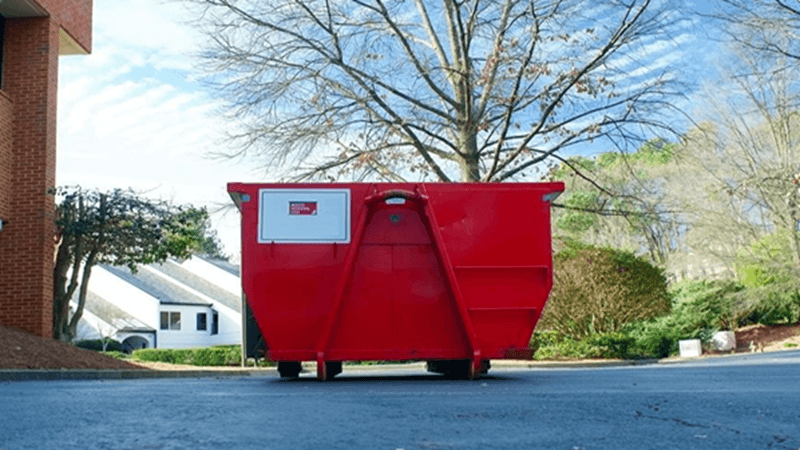
This staggering volume includes everything from food scraps and packaging to electronics and construction debris. Waste Removal USA infrastructure must contend with this immense output daily, coordinating thousands of municipal programs, private haulers, and processing facilities to keep communities clean and functional. Understanding the true scale of the problem is the first step toward addressing it effectively.
Types of Waste and How They Are Classified
Not all waste is the same, and proper management depends heavily on accurate classification. The EPA and state environmental agencies categorize waste into several major types:
- Municipal Solid Waste (MSW): Everyday items discarded by households and businesses, including food waste, paper, plastics, metals, and yard trimmings.
- Hazardous Waste: Materials that pose a significant risk to human health or the environment, such as chemicals, batteries, pesticides, and medical waste.
- Industrial and Construction Waste: Debris generated by manufacturing plants, demolition projects, and construction sites.
- Electronic Waste (E-Waste): Discarded electronics such as computers, televisions, and smartphones that require specialized recycling due to toxic components.
- Organic Waste: Biodegradable materials such as food scraps and yard waste that can be composted or converted into energy.
Each category demands a distinct approach to collection, treatment, and final disposal, making classification a cornerstone of effective waste management policy.
Municipal Waste Collection Systems
At the local level, waste collection is primarily the responsibility of city and county governments, though many municipalities contract private companies to handle day-to-day operations. Most communities offer curbside collection of household trash, recyclables, and yard waste on a scheduled basis. Larger urban centers often operate transfer stations where collected waste is consolidated before being transported to landfills, recycling facilities, or waste-to-energy plants.
The efficiency of these systems varies widely depending on geography, population density, funding, and local policy. Rural areas, for instance, may rely on community drop-off centers rather than door-to-door pickup, while densely populated cities must manage logistics for millions of residents. Ongoing investment in fleet modernization, route optimization technology, and worker training is key to maintaining reliable collection services across the country.
Recycling and Waste Diversion Programs
Recycling remains one of the most important strategies for reducing the volume of waste sent to landfills. The United States currently recycles and composts about 32 percent of its municipal solid waste, a figure that, while significant, leaves considerable room for improvement compared to leading nations in Europe and Asia.
Common recyclable materials include paper, cardboard, glass, aluminum, steel, and certain plastics. Many states and cities have implemented single-stream recycling programs, allowing residents to place all recyclables in one bin for collection. However, contamination, when non-recyclable materials are mixed in, remains a persistent challenge that drives up processing costs and reduces the quality of recovered materials.
Beyond traditional recycling, composting programs for organic waste have expanded rapidly in recent years. Municipalities like San Francisco, Seattle, and New York City have introduced mandatory composting initiatives that divert millions of tons of food waste from landfills annually, converting it into valuable compost for agricultural use.
Landfills and Their Environmental Impact
Despite growing recycling and composting efforts, landfills remain the dominant method of waste disposal in the United States, receiving roughly 50 percent of all municipal solid waste. Modern sanitary landfills are engineered to minimize environmental harm, featuring clay and synthetic liners to prevent leachate from contaminating groundwater, as well as systems to capture methane gas produced by decomposing organic matter.
Captured landfill gas can be used to generate electricity, turning a potential pollutant into a renewable energy source. Nevertheless, landfills occupy vast amounts of land, and available space is becoming increasingly scarce in densely populated regions. Many states are reaching capacity, prompting difficult conversations about where new facilities should be sited and who bears the environmental burden of living nearby.
Innovation and the Future of Waste Management
Technology is rapidly transforming the waste management landscape. Artificial intelligence and machine learning are being deployed to improve sorting accuracy at recycling facilities, dramatically reducing contamination rates. Smart sensors installed in public waste bins can signal when collection is needed, optimizing routes and reducing fuel consumption.
Waste-to-energy (WTE) technology, which converts non-recyclable waste into electricity or heat through combustion or gasification, is gaining renewed attention as communities seek alternatives to landfilling. Meanwhile, the circular economy model, which envisions a system where products and materials are continuously reused and recycled, is influencing both corporate practices and legislative frameworks at the federal and state levels.
Extended Producer Responsibility (EPR) laws, which require manufacturers to take financial responsibility for the end-of-life management of their products, are being adopted in a growing number of states, shifting costs away from taxpayers and incentivizing companies to design more sustainable products.
Conclusion
Waste removal and management in the United States is a complex, multifaceted challenge that intersects public health, environmental protection, economics, and social equity. While significant progress has been made in recycling, composting, and landfill technology, the nation still faces an uphill battle to reduce overall waste generation and improve diversion rates. Whether through smarter policy, cleaner technology, or stronger community engagement, the path forward requires collaboration at every level of government and society.
Trusted services like Waste Removal USA play a vital role in this ecosystem, helping communities manage their waste responsibly and sustainably. As the United States continues to grow and evolve, so too must its commitment to a cleaner, more resource-efficient future.