
Introduction
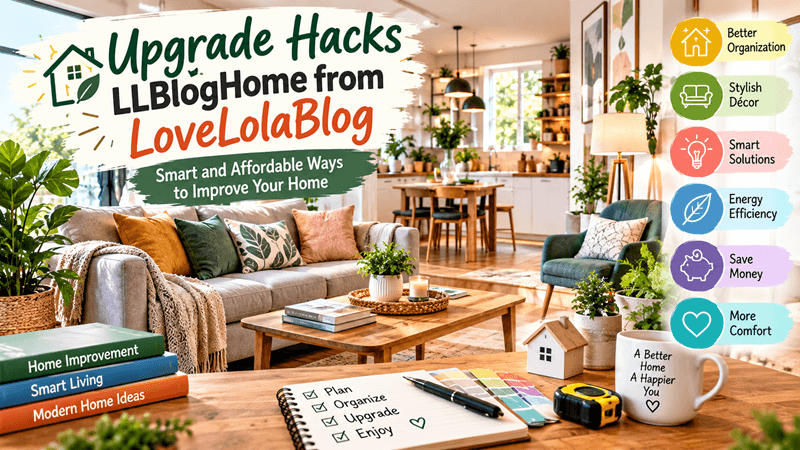
A beautiful and comfortable home does not always require expensive renovations, professional designers, or costly furniture. Small adjustments can have a meaningful impact. Better lighting, organized storage, thoughtful furniture placement, fresh wall finishes, and practical technology can turn an ordinary living space into a more appealing and functional home. Modern homeowners want spaces that look stylish while supporting their everyday needs. Whether you live in a small apartment, a family house, or a larger property, the right home improvement strategies can help you save money and make better use of your available space. The secret is to focus on practical solutions that deliver noticeable results without creating unnecessary expenses. Upgrade hacks LLBlogHome from LoveLolaBlog focuses on creative home improvement ideas, smart organization methods, affordable decorating solutions, and practical upgrades that can improve your daily life. By understanding your needs, setting a realistic budget, and planning each project carefully, you can create a home that feels more comfortable, organized, and welcoming. This guide explains how to improve different areas of your home, avoid common mistakes, and choose upgrades that provide lasting value.
1. Start with a Clear Home Improvement Plan
Before purchasing new furniture or decorating accessories, take time to understand what your home actually needs. A clear plan helps you avoid unnecessary spending and ensures that every improvement serves a purpose. Begin by checking each room for areas that could benefit from improvement. You might notice insufficient storage, poor lighting, crowded furniture arrangements, outdated decorations, or areas that are difficult to clean.
Write down the improvements you want to make and organize them into three categories:
- Essential repairs: Fix damaged flooring, leaking taps, broken fixtures, and other maintenance problems.
- Functional upgrades: Improve storage, lighting, furniture placement, and everyday convenience.
- Decorative changes: Refresh paint colors, add artwork, update curtains, or introduce plants.
Complete essential repairs first, then move toward functional and decorative improvements. You should also establish a budget before beginning. Decide how much you can comfortably spend and leave some money available for unexpected costs. A written plan makes it easier to compare options and prevent impulse purchases.
2. Refresh Your Living Room Without Major Expenses
The living room is often the main gathering place for family members and guests. Fortunately, improving this space does not necessarily require new furniture.
Rearrange Existing Furniture
Start by moving furniture into a more practical arrangement. Position seating to encourage conversation, keep walking paths clear, and avoid blocking windows or doorways. In smaller living rooms, choose furniture arrangements that create an open appearance. Moving a bulky chair or removing an unnecessary side table may make the room feel noticeably larger.
Update Soft Furnishings
Create a Focal Point
A focal point creates visual interest and helps define the room’s overall design. It could be a gallery wall, a fireplace, a large piece of artwork, or a striking piece of furniture. Keep surrounding decorations relatively simple so the focal point remains noticeable.
3. Enhance Home Comfort with Better Lighting
Lighting influences how a room looks and how comfortably you can use it. A dark room may feel smaller, while balanced lighting can make a space appear more welcoming. Begin by making the most of the natural light that enters your home. Open curtains during the day, keep windows clean, and avoid placing large objects directly in front of important light sources.
Next, combine different types of lighting according to your needs.
- Ambient lighting provides general illumination.
- Task lighting offers targeted illumination for everyday activities such as reading, cooking, and working.
- Accent lighting highlights artwork, shelves, and distinctive architectural features.
Energy-efficient LED bulbs can also help reduce electricity consumption compared with many older lighting options. Select the right brightness and light color for each room’s purpose. Softer lighting often works well in bedrooms and relaxation areas, while brighter task lighting is useful in kitchens and workspaces. Hire a qualified professional for electrical installations or repairs whenever necessary.
4. Make Your Kitchen More Organized
A functional kitchen saves time and makes cooking more enjoyable. Make better use of your current storage solutions before investing in new cabinets or appliances.
Organize Drawers and Cabinets
Group similar items together. Keep cooking utensils near the preparation area, frequently used ingredients in accessible cabinets, and rarely used equipment in less convenient storage spaces. Drawer dividers, shelf risers, and labeled containers can make it easier to locate everyday essentials.
Clear the Countertops
Countertops become crowded when appliances, containers, and decorative objects accumulate. Keep only frequently used items within easy reach. Store other products in cabinets or designated storage areas.
Refresh Cabinet Hardware
Replacing worn handles and knobs can instantly give kitchen cabinets a more contemporary feel. Before purchasing replacements, measure the existing hardware to ensure the new pieces fit.
Improve Food Storage
Use suitable containers to organize dry ingredients and reduce packaging clutter. Clearly label items when necessary and follow safe food-storage practices. These simple updates can make the kitchen easier to care for without the expense of a full renovation.
5. Maximize Storage in Small Spaces
Insufficient storage is a common challenge in apartments and small homes. The best solution is often to use existing space more effectively rather than purchasing additional bulky furniture.
Consider these practical ideas:
- Install shelves where appropriate.
- Use under-bed containers for seasonal clothing.
- Add organizers inside wardrobes.
- Choose ottomans with hidden storage.
- Use baskets to group small household items.
- Make use of suitable vertical wall space.
Multi-functional furniture can be particularly valuable. A storage bench, for example, provides seating while creating space for blankets, shoes, or accessories. However, avoid filling every empty corner with storage products. Too many organizers can make a room feel crowded. Keep frequently used items accessible and leave enough open space for comfortable movement.
6. Create a Peaceful and Comfortable Bedroom
Your bedroom should support rest, privacy, and relaxation. Small improvements can help make it more comfortable without increasing your budget significantly.
Choose a Consistent Color Scheme
Soft neutrals, muted greens, gentle blues, and warm earth tones can create a calming appearance. You can introduce these colors through bedding, curtains, rugs, or wall decorations.
Reduce Clutter
Remove unnecessary items from bedside tables, floors, and other visible surfaces. Keep essential belongings within reach and store the rest appropriately.
Improve Bedding
Choose bedding that feels comfortable in your local climate. Lightweight fabrics may be suitable for warmer conditions, while additional blankets can provide warmth during colder months.
Organize Your Wardrobe
Separate everyday clothing from seasonal items. Use suitable hangers, shelves, and storage boxes to keep clothes accessible. A cleaner bedroom can feel more relaxing and make everyday routines easier.
7. Try Affordable DIY Decorating Projects
Do-it-yourself projects can refresh your home while allowing you to personalize your surroundings.
Some beginner-friendly ideas include:
- Creating a photo gallery wall.
- Painting a small accent area.
- Reusing jars as decorative containers.
- Refreshing old furniture with suitable paint.
- Making simple fabric cushion covers.
- Repurposing baskets for household storage.
Before starting a project, check the materials and tools required. Calculate the total cost rather than assuming that a DIY project will always be cheaper than buying a finished product. For painting, select products suitable for the surface and follow the manufacturer’s preparation and ventilation instructions. Avoid complicated plumbing, structural alterations, and electrical work unless you have the necessary qualifications or professional assistance.
8. Upgrade Your Bathroom on a Budget
Bathrooms can look cleaner and more modern through simple improvements. Start by organizing toiletries and removing products that are expired or no longer needed. Use shower caddies, wall shelves, or drawer organizers to create dedicated storage. You can also consider replacing worn accessories, updating towel holders, or installing a new mirror that suits the available space. Pay attention to ventilation and moisture control. Use an appropriate exhaust fan or ventilation method to reduce excessive humidity and help prevent mold. If you notice persistent dampness, leaking pipes, or damaged seals, address the underlying problem instead of covering it with decorative products. Always prioritize slip-resistant surfaces and safe installations in wet areas.
9. Introduce Useful Smart-Home Technology
Smart-home devices can improve convenience when selected according to your actual needs. You do not need to automate your entire house to benefit from modern technology.
Useful options may include:
Smart lighting: Certain bulbs and switches allow you to schedule lighting or adjust brightness.
Smart plugs: Compatible plugs can help control suitable household devices and monitor some aspects of their electricity use.
Programmable thermostats: In homes with compatible heating or cooling systems, these devices may help manage temperature schedules.
Video doorbells: These can provide additional awareness of visitors at your entrance.
Smart sensors: Suitable sensors can alert you to specific conditions, depending on the device and its capabilities.
Before purchasing any device, check compatibility, installation requirements, ongoing costs, and security features. Use strong, unique passwords and install software updates. Avoid buying technology simply because it is fashionable; select products that solve real problems.
10. Improve Energy Efficiency
Energy-efficient upgrades can make your home more comfortable and may lower household energy costs over time. Begin with simple actions such as switching off unnecessary lights, using LED bulbs, and choosing efficient settings for household appliances.
Other possibilities include:
- Sealing suitable gaps around doors and windows.
- Improving insulation where appropriate.
- Using curtains to manage sunlight and heat.
- Maintaining air conditioners and fans.
- Selecting energy-efficient appliances when replacements are necessary.
The most suitable improvements depend on your climate, building construction, and household energy use.
For example, window coverings can help manage sunlight and indoor temperatures, while appropriate sealing may reduce unwanted drafts. However, do not block ventilation openings designed for safety or healthy indoor air quality.
Compare initial costs with expected savings before investing in major efficiency upgrades.
11. Bring Natural Elements into Your Home
Natural materials and plants can introduce warmth, texture, and visual interest. Consider adding indoor plants suited to the light conditions in your home. Place them on shelves, windowsills, or suitable corners without obstructing pathways. Wooden accessories, woven baskets, natural fabrics, and stone-inspired decorations can also create a welcoming atmosphere. If you have pets or young children, check whether selected plants and materials are safe for them. Remember that decorating with natural elements does not require purchasing expensive products. Reusing existing baskets, wooden items, and suitable containers can help create a coordinated appearance while limiting waste.
12. Make Better Use of Outdoor Areas
A balcony, patio, courtyard, or small garden can become a useful extension of your living space. Begin by cleaning the area and removing items that no longer serve a purpose. Then identify how you want to use it. For relaxation, add suitable seating and a small table. For gardening, use containers and plants appropriate for the available sunlight. For family gatherings, keep the layout open and ensure that pathways remain clear. Choose outdoor furniture that can withstand local weather conditions. You can also use suitable outdoor lighting to improve visibility in the evening. Ensure that electrical products are specifically rated for outdoor use and installed safely.
13. Follow Design Trends Without Overspending
Home design trends can provide inspiration, but your home should reflect your personal preferences and everyday needs. Popular design approaches include minimalist interiors, natural textures, flexible furniture, warm neutral colors, sustainable materials, and smart technology. You can adopt these ideas without replacing everything you own.
For example, introduce a neutral color palette through cushions and curtains instead of repainting every room. Try a more minimalist arrangement by removing unnecessary decorations rather than buying an entirely new furniture collection.
Focus on durability and versatility when making purchases. A practical item that remains useful for years can offer better value than a trendy product that quickly becomes unsuitable.
14. Avoid Common Home Improvement Mistakes
Even small upgrades can waste money when they are poorly planned.
Buying Furniture Without Measuring
Measure the room, doorways, and available pathways before purchasing large furniture. Check product dimensions carefully.
Choosing Appearance Over Function
A decorative item should not make everyday activities more difficult. Consider comfort, durability, cleaning requirements, and practicality.
Starting Too Many Projects
Working on several rooms simultaneously can create clutter and increase expenses. Complete one project before moving to the next whenever possible.
Ignoring Essential Repairs
Paint and decorations cannot solve structural damage, leaks, electrical faults, or persistent moisture problems.
Spending Without a Budget
Establish spending limits and compare products before making purchases. Include delivery, installation, and maintenance costs when relevant. Avoiding these mistakes helps ensure that improvements remain manageable and useful.
15. Build a Simple Home Maintenance Routine
Home improvement works best when combined with regular maintenance. Preventive care can help identify minor problems before they become more expensive.
Create a routine that includes:
Weekly: Tidy common areas, clean surfaces, and return misplaced items to their designated locations.
Monthly: Check visible plumbing for leaks, clean appliance filters according to instructions, and inspect areas where clutter tends to accumulate.
Seasonally: Review window seals, outdoor spaces, ventilation, and weather-related maintenance needs.
Annually: Review major household systems and arrange professional inspections or servicing when recommended.
Adapt the schedule to your property and the instructions provided by appliance manufacturers. Keep a record of repairs, purchases, and maintenance dates. This makes it easier to plan future expenses and understand which improvements require attention.
16. A Practical Plan for Getting Started
If you are unsure where to begin, follow this simple process.
Step 1: Choose one room. Select the area that causes the greatest inconvenience or receives the most daily use.
Step 2: Identify three improvements. Focus on specific problems, such as poor lighting, insufficient storage, or uncomfortable furniture placement.
Step 3: Set a spending limit. Decide how much you can afford without affecting essential household expenses.
Step 4: Use what you already have. Rearrange furniture, declutter surfaces, and reuse suitable decorations before buying new products.
Step 5: Complete the project. Finish the selected improvements and clean the area before starting another project.
Step 6: Evaluate the results. Consider whether the changes improved comfort, organization, appearance, or efficiency.
This method helps you make steady progress while avoiding unnecessary purchases.
Conclusion
Creating a better home does not require expensive renovations or a complete redesign. Thoughtful changes to furniture placement, lighting, storage, décor, and everyday maintenance can make living spaces more comfortable and practical. The most useful upgrade hacks LLBlogHome from LoveLolaBlog are those that solve genuine household problems, respect your budget, and support your lifestyle. By planning carefully, choosing versatile products, and completing projects gradually, you can improve your home without creating unnecessary financial pressure. Start with one room, identify what needs attention, and make changes that provide clear benefits. Whether you are organizing a small apartment, refreshing a family home, or introducing useful smart technology, practical improvements can create a space that feels more welcoming and easier to maintain. Ultimately, a successful home upgrade is not about following every trend or purchasing the most expensive products. It is about making thoughtful decisions that improve everyday living and help your home reflect your needs, preferences, and personality.