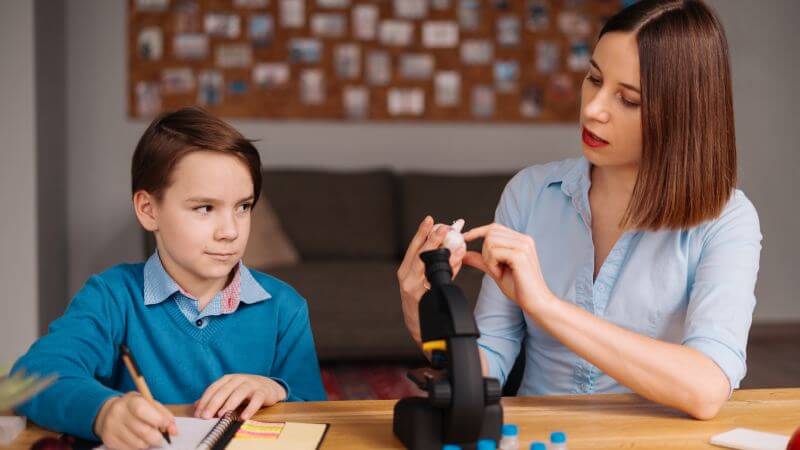
Training children is not about control or strict discipline—it is about guidance, nurturing, and shaping young minds with patience and understanding. Every child is unique, with different strengths, personalities, and learning styles. Parents and caregivers often ask how to effectively guide children toward positive behavior, strong values, and lifelong skills. This comprehensive guide on how to train children, llblogkids, provides structured, practical, and research-based strategies to help parents raise confident, responsible, and emotionally balanced children.
In this detailed article, we will explore child psychology, discipline methods, emotional development, academic growth, behavior management, and real-life training techniques that truly work.
Understanding What “Training” Really Means
When people hear the word “training,” they sometimes imagine strict rules or rigid discipline. However, child training is about:
- Teaching life skills
- Encouraging independence
- Building emotional intelligence
- Developing responsibility
- Reinforcing positive habits
Training is a continuous process that begins in early childhood and evolves as the child grows. It focuses on shaping behavior through positive reinforcement, consistent routines, and respectful communication.
The Foundation of Child Training: Love and Security
Before teaching rules or skills, children need emotional security. A child who feels safe and loved is more likely to listen, cooperate, and grow confidently.
1. Build Trust First
Children respond best when they trust their caregivers. Build trust by:
- Listening without judgment
- Keeping promises
- Showing affection regularly
- Spending quality time together
2. Be Emotionally Available
When children feel understood, they become more open to learning. Validate their feelings by saying:
- “I understand why you’re upset.”
- “It’s okay to feel frustrated.”
Emotional validation strengthens the parent-child bond and improves communication.
Understanding Child Development Stages
Training methods must align with the child’s age and developmental stage. What works for a toddler will not work for a teenager.
Toddlers (2–4 Years)
At this stage, children are learning basic communication and emotional control.
Focus on:
- Simple instructions
- Routine building
- Positive reinforcement
- Redirecting negative behavior
Early Childhood (5–7 Years)
Children begin to understand rules and consequences.
Focus on:
- Responsibility (cleaning toys, simple chores)
- Basic manners
- Listening skills
- School readiness
Middle Childhood (8–12 Years)
Children develop logical thinking and stronger independence.
Focus on:
- Problem-solving skills
- Self-discipline
- Time management
- Social responsibility
Adapting your approach ensures training remains effective and age-appropriate.
Positive Discipline Techniques
Discipline should teach, not punish. The goal is to guide behavior constructively.
1. Set Clear Expectations
Children need clarity. Instead of saying:
“Behave properly.”
- Say:
“Please speak softly and keep your hands to yourself.” - Clear instructions reduce confusion.
2. Use Natural Consequences
Allow children to experience safe consequences of their actions.
For example:
If they forget homework, they face the teacher’s reminder. This teaches responsibility without harsh punishment.
3. Practice Consistency
Consistency builds trust and structure. If rules change daily, children become confused and frustrated.
Encouraging Positive Behavior
Positive reinforcement is more effective than constant correction.
Praise Effort, Not Just Results
Instead of:
“You’re so smart.”
- Say:
“You worked really hard on this.” - This builds resilience and a growth mindset.
Create Reward Systems
Simple systems, such as sticker charts or small rewards, can boost motivation, especially for younger children.
Teaching Responsibility and Independence
One important part of how to train children, blogkids, is teaching responsibility gradually.
Start with Small Tasks
Young children can:
- Put toys away
- Help set the table
- Organize books
As they grow older, responsibilities can expand to:
- Homework management
- Personal hygiene
- Time management
Encourage Decision-Making
Give choices like:
- “Do you want to wear the blue shirt or the red one?”
- “Would you like to do homework now or after dinner?”
Choices empower children and build confidence.
Communication: The Most Powerful Training Tool
Open communication prevents many behavioral issues.
Practice Active Listening
- Maintain eye contact
- Avoid interrupting
- Repeat what they said to show understanding
Avoid Yelling
Yelling may stop behavior temporarily, but damages emotional security. Speak firmly but calmly.
Encourage Open Dialogue
Ask daily questions such as:
- “What made you happy today?”
- “Did anything bother you?”
This builds emotional awareness.
Building Emotional Intelligence
Emotional intelligence is just as important as academic skills.
Teach Emotion Identification
Help children name feelings:
- Happy
- Angry
- Sad
- Nervous
- Excited
When children can identify emotions, they manage them better.
Teach Coping Skills
Examples:
- Deep breathing
- Counting to ten
- Taking a short break
These techniques reduce tantrums and improve self-control.
Academic Training and Study Habits
Academic success requires structure and support.
Create a Study Routine
Set a consistent time for homework. Make sure:
- The space is quiet
- There are minimal distractions
- Supplies are ready
Break Tasks into Smaller Steps
Large assignments feel overwhelming. Dividing tasks increases focus and reduces stress.
Encourage Reading
Daily reading builds vocabulary, imagination, and comprehension skills.
Balancing Technology and Real-Life Skills
Technology is part of modern childhood, but balance is essential.
Set Screen Time Limits
Establish daily limits and stick to them.
Monitor Content
Ensure apps and games are educational and age-appropriate.
Encourage Offline Activities
- Outdoor play
- Board games
- Arts and crafts
- Sports
Balanced activities promote physical and social development.
Handling Behavioral Challenges
Every child tests boundaries. Managing challenges calmly is key.
1. Tantrums
Stay calm. Avoid giving in to unreasonable demands. Wait until the child calms down before discussing behavior.
2. Lying
Understand the reason behind it. Encourage honesty by creating a safe environment where truth is valued.
3. Aggression
- Teach alternative ways to express anger, such as talking or writing feelings down.
- Patience and consistency solve most behavioral issues over time.
The Importance of Modeling Behavior
Children imitate adults. If you want respectful children:
- Speak respectfully
- Show patience
- Practice honesty
- Demonstrate self-control
Your behavior teaches more than your words.
Building Confidence and Self-Esteem
Confidence helps children take healthy risks and face challenges.
Encourage Problem-Solving
Instead of solving every problem, ask:
“What do you think we should do?”
Celebrate Small Wins
Every achievement—big or small—deserves recognition.
Avoid Comparison
Never compare your child to siblings or classmates. Each child grows at their own pace.
Social Skills Training
Social skills are essential for school and future success.
Teach Manners
Simple habits like saying:
- Please
- Thank you
- Sorry
Go a long way in shaping character.
Encourage Teamwork
Sports, group activities, and collaborative games build cooperation.
Long-Term Parenting Goals
When thinking about how to train children llblogkids, remember the ultimate goal is raising adults who are:
- Responsible
- Emotionally intelligent
- Independent
- Respectful
- Resilient
Training is not about short-term obedience—it’s about long-term character building.
Common Mistakes to Avoid
- Being overly strict
- Being overly lenient
- Inconsistent rules
- Ignoring emotional needs
- Comparing children
Balance is the key to effective training.
Final Thoughts
Understanding how to train children llblogkids requires patience, empathy, and consistency. There is no one-size-fits-all formula because every child is unique. However, the principles remain the same:
- Build emotional security
- Set clear expectations
- Practice positive discipline
- Encourage independence
- Communicate openly
- Lead by example
Child training is a journey filled with challenges and rewards. With love, structure, and thoughtful guidance, parents can raise confident, capable, and compassionate individuals ready to succeed in life.
Remember, progress matters more than perfection. Small, consistent efforts today create strong foundations for tomorrow.