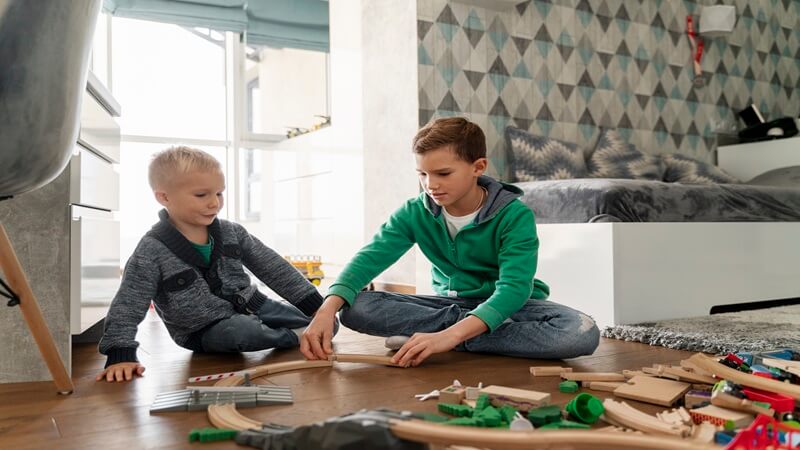
Playing with children is one of the most rewarding and important parts of parenting. Beyond laughter and entertainment, play helps children develop physically, emotionally, socially, and intellectually. Every game, conversation, and creative activity contributes to their growth while strengthening the bond between parents and children. Whether you’re a parent, grandparent, teacher, or caregiver, understanding how to play with children effectively can make a lasting difference in their lives. This comprehensive guide on how to play with a child llblogkids, explores age-appropriate activities, play-based learning, emotional development, communication techniques, and practical tips that make playtime meaningful. By following these strategies, you can create enjoyable experiences that support your child’s overall development while making cherished memories together.
Why Playing with Children Is So Important
Many adults think play is simply a way to keep children occupied, but experts agree that play is one of the most effective ways children learn.
Through play, children develop:
- Creativity
- Problem-solving skills
- Emotional intelligence
- Communication abilities
- Physical coordination
- Social confidence
- Independence
Children naturally explore the world through play. Every game introduces new experiences, helping them understand relationships, solve challenges, and express emotions safely.
The Science Behind Play-Based Learning
Research consistently shows that children retain information better when learning is enjoyable. Play activates multiple areas of the brain simultaneously, improving memory, concentration, and creativity.
Benefits of play-based learning include:
- Better language development
- Improved critical thinking
- Stronger memory
- Greater confidence
- Increased curiosity
- Higher motivation to learn
Instead of separating learning from fun, successful parents naturally combine the two.
Understanding Your Child Before Playing
Every child has a different personality.
Some children enjoy:
- Active outdoor games
- Building toys
- Drawing
- Storytelling
- Music
- Pretend play
Others may prefer quiet activities like puzzles or reading. Before choosing an activity, observe your child’s interests.
Ask yourself:
- What makes them smile?
- What activities keep their attention?
- What challenges excite them?
Following your child’s interests creates more meaningful interactions.
Age-Appropriate Ways to Play
Different developmental stages require different approaches.
Toddlers (2–4 Years)
Toddlers are learning through exploration.
Recommended activities include:
Sensory Play
Use:
- Sand
- Water
- Clay
- Building blocks
- Finger painting
These activities improve motor skills while stimulating curiosity.
Pretend Play
Children enjoy pretending to be:
- Doctors
- Teachers
- Chefs
- Animals
- Superheroes
Pretend games improve imagination and language development.
Music and Movement
- Sing songs together.
- Dance around the room.
- Clap to rhythms.
This develops coordination and listening skills.
Early Childhood (5–7 Years)
Children become more independent and curious.
Great activities include:
Treasure Hunts
Hide objects around the house. Give simple clues.
This improves:
- Problem-solving
- Observation
- Memory
Arts and Crafts
Encourage:
- Painting
- Cutting paper
- Coloring
- Making greeting cards
Creative activities strengthen fine motor skills.
Story Creation
Start a story and let your child finish it.
This develops:
- Creativity
- Vocabulary
- Confidence
Middle Childhood (8–12 Years)
Older children enjoy challenges.
Activities include:
Science Experiments
Simple experiments help children understand:
- Physics
- Chemistry
- Nature
Board Games
These improve:
- Strategy
- Patience
- Decision-making
Sports
Football, badminton, cycling, or basketball teach:
- Teamwork
- Discipline
- Physical fitness
Making Everyday Activities Fun
Play doesn’t always require expensive toys. Daily routines become exciting with creativity.
For example:
Cooking together teaches:
- Measuring
- Counting
- Following instructions
Gardening teaches:
- Responsibility
- Nature
- Patience
Shopping teaches:
- Budgeting
- Numbers
- Decision-making
These simple moments become valuable learning opportunities.
Outdoor Play Ideas
Outdoor play supports physical and emotional health.
Ideas include:
Nature Walks
Explore parks together.
Identify:
- Trees
- Birds
- Flowers
- Insects
Ask questions to encourage curiosity.
Ball Games
Simple football or catch improves:
- Coordination
- Teamwork
- Balance
Obstacle Courses
Create small challenges using:
- Chairs
- Cones
- Ropes
Children love active adventures.
Indoor Play Ideas
Rainy days don’t have to be boring.
Indoor activities include:
Puzzle Challenges
Puzzles improve:
- Memory
- Logic
- Concentration
Building Projects
LEGO or wooden blocks encourage:
- Engineering thinking
- Creativity
- Planning
Family Game Nights
Choose games that encourage communication rather than competition. Everyone participates and enjoys quality family time.
Encouraging Creativity Through Play
Creativity builds confidence.
Simple ideas include:
Drawing Together
Ask children to draw:
- Their dream house
- Favorite animal
- Future career
Music Activities
Play simple instruments.
Sing together.
Create homemade instruments using kitchen items.
Role Playing
Pretend to visit:
- Space
- A jungle
- A restaurant
Role-playing develops communication and empathy.
Using Technology Wisely
Technology can support learning when used appropriately.
Educational apps may help children learn:
- Mathematics
- Reading
- Languages
- Science
However:
Balance screen time with:
- Outdoor play
- Reading
- Creative activities
- Family conversations
Technology should enhance—not replace—human interaction.
Communication During Play
Talking while playing strengthens relationships. Instead of giving instructions constantly:
Ask questions like:
- What do you think happens next?
- How would you solve this problem?
- Why did you choose that color?
Open-ended questions encourage thinking. Listening carefully also helps children feel valued.
Positive Reinforcement
Children enjoy praise. Instead of focusing only on winning:
Celebrate:
- Effort
- Creativity
- Persistence
- Kindness
Examples include:
“I love how you kept trying.”
“You worked very hard.”
This builds a healthy growth mindset.
Building Emotional Intelligence
Play offers opportunities to discuss emotions. If a game becomes frustrating, ask:
“How are you feeling?”
“What can we do differently?”
Children gradually learn:
- Patience
- Self-control
- Empathy
These life skills are as important as academic success.
Common Mistakes Parents Should Avoid
Even with good intentions, some habits reduce the benefits of play.
Controlling Every Activity
Allow children to lead sometimes. Their imagination often creates the best experiences.
Focusing Only on Winning
Games should teach enjoyment and learning—not perfection.
Using Phones During Play
Children notice distractions. Give them your full attention.
Overscheduling
Children need free play. Avoid turning every activity into a lesson.
Creating Daily Play Routines
Consistency helps children feel secure.
Example schedule:
Morning:
- Ten minutes of conversation
Afternoon:
- Outdoor play
Evening:
- Storytelling or puzzles
Bedtime:
- Reading together
Even short daily sessions strengthen relationships.
Supporting Learning Through Play
One important lesson from how to play with a child, llblogkids, is that learning happens naturally when children enjoy themselves.
For example:
Playing shop teaches:
- Mathematics
- Communication
- Money management
Playing restaurant teaches:
- Manners
- Organization
- Responsibility
Building forts teaches:
- Engineering
- Creativity
- Teamwork
Parents don’t always need formal lessons.
Play itself becomes the classroom.
Long-Term Benefits of Playing Together
Families who play regularly often experience:
- Better communication
- Stronger emotional bonds
- Greater trust
- Improved behavior
- Higher self-esteem
- Better academic performance
Children who receive consistent attention through play often become more confident and resilient adults.
Making Every Moment Count
One of the biggest lessons from how to play with a child llblogkids is that quality matters more than quantity. Even fifteen to twenty minutes of focused play each day can have a lasting impact.
Turn off distractions.
Follow your child’s interests.
Celebrate creativity.
Be patient.
These simple habits create lifelong memories.
Conclusion
Understanding how to play with a child llblogkids is about much more than finding games or activities. It is about building trust, encouraging creativity, supporting emotional growth, and helping children discover the world through joyful experiences. Whether you are reading stories, exploring a park, building with blocks, playing football, or simply talking while walking, every shared moment becomes an opportunity for learning and connection. By choosing age-appropriate activities, encouraging curiosity, using positive reinforcement, and balancing technology with real-world experiences, parents and caregivers can nurture children who are confident, creative, compassionate, and eager to learn. Remember that children rarely remember expensive toys or perfect lessons. What they remember most is the time, attention, encouragement, and love they received while playing with the people who cared about them. Make play a daily priority, and you will help build not only happy childhood memories but also the foundation for lifelong success.