

Having sporty kids sounds great until the sports bags, muddy shoes, water bottles, and half-clean uniforms start taking over the house. One day there’s a football bag near the sofa. The next day there’re socks in the hallway, dirty shoes outside the bedroom, and somebody asking where their clean training shirt is about ten minutes before leaving. For families with active children, keeping the house organised is less about making everything look perfect and more about making everyday life easier. A few simple systems can save a lot of unnecessary rushing.
Start with the Front Door
The entryway usually becomes the dumping ground. Bags come in. Shoes come off. Jackets get thrown somewhere. Water bottles are left on the floor. Then, somehow, everything ends up in different parts of the house. A simple solution is to give every child their own small area. It could be a cubby, a basket, a few hooks, or even one shelf. The important part is that there’s a clear place for the things they use every day. Open baskets are often easier for children than drawers. There’s less thinking involved. The bag goes here. Shoes go there. A jacket goes on the hook. For muddy shoes and cleats, a waterproof tray near the door can save a lot of cleaning later. A small whiteboard with the day’s schedule can help too, especially when different children have different activities.
Don’t Let Sports Laundry Take Over
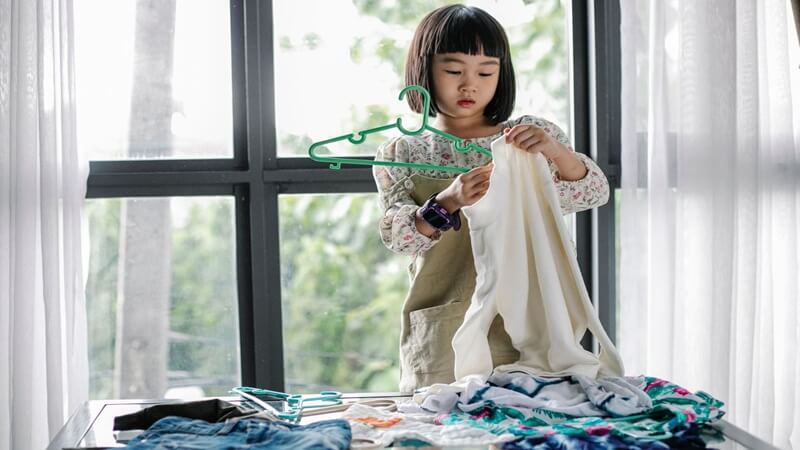
Sports clothing has a way of multiplying. There’re training shirts, shorts, socks, towels, and uniforms. Then there are the clothes that were worn for approximately 45 minutes but somehow cannot be considered clean anymore. Used sportswear shouldn’t stay trapped inside a closed bag for hours. A ventilated basket or laundry area gives damp clothes somewhere to go before they are washed. Keeping sports laundry separate can also make things easier on busy days. Small mesh bags work well for socks and other items that tend to disappear in the washing machine. And there’s one rule worth making non-negotiable: empty the sports bag when getting home. Not tomorrow. Not after dinner. When getting home. It takes a few minutes and prevents the classic situation where a forgotten uniform is discovered inside a bag the night before the next practice.
Keep the Weekly Schedule Somewhere Everyone Can See It
When one child has football, another has music lessons, and school has decided to schedule something else on the same afternoon, relying on memory gets difficult. A shared calendar helps. It doesn’t need to be complicated. A whiteboard in the kitchen can work perfectly well. Put each child’s activities in a different colour and include school events, practices, appointments and anything else that affects the family’s routine. Sunday is a good time to look at the week ahead. Ten minutes spent checking the schedule can prevent several annoying phone calls and last-minute changes during the week. For families using digital calendars, shared calendars can make the same system easier to manage when parents have different work schedules. The point isn’t to create another task. It’s to stop everyone from repeatedly asking, “What time are we leaving?”
Make Food Easy on Practice Days
Busy sports days are usually when meal planning falls apart. Practice finishes late, everyone is hungry, and there’s still homework to deal with. That’s when grabbing whatever is easiest becomes very tempting. A little preparation helps. Keep fruit washed and ready, have simple snacks available, and prepare a few basic ingredients ahead of time. A dedicated space for water bottles is useful too. Keep them together, wash them regularly, and make filling them part of the leaving-the-house routine. There’s no need to turn Sunday into a five-hour meal-prep session. Even having a few things ready can make weekday evenings less stressful.
Give Kids Somewhere to Burn Off Energy
Active children are going to move. Trying to stop that completely inside the house usually does not work. Instead, give them places where movement is allowed. A small corner with a yoga mat can work for stretching or simple exercises. If there’s outdoor space, even better. A clear patch of grass can become a place for kicking a ball, running around, or simply playing. The CDC recommends that children and teenagers aged 6 to 17 get at least 60 minutes of physical activity each day. That doesn’t mean all of it has to happen during organised sports. Everyday outdoor play counts too. A family yard doesn’t need expensive equipment. A small goal, a ball, a hoop or just enough open space can give children a reason to get outside.
Give Children Some Responsibility
Parents cannot realistically manage every sports bag, bottle, uniform and pair of shoes forever. Children can help. A younger child can put dirty clothes into the laundry basket. An older child can unpack their bag, refill their water bottle and check what they need for the following day. These are small things, but they matter. Children start learning that their activities come with responsibilities too. The same applies to sport itself. The American Academy of Paediatrics recommends keeping youth sports positive and focusing on development rather than putting too much pressure on children to win. That’s a useful approach at home as well. The goal isn’t a spotless house every day. The goal is a household that everyone can actually keep up with.
Don’t Overfill the Schedule
It’s easy to look at every activity as another opportunity for a child to learn something. Football on Monday. Music on Tuesday. Swimming on Wednesday. Another class on Thursday. Then suddenly there’s barely any free time. For children who enjoy football, a football academy can be one part of their routine, but it doesn’t need to become the entire routine. Free play matters too. So does sitting around, seeing friends, spending time with family and simply having nothing planned. The American Academy of Pediatrics also warns about excessive training and early specialisation in a single sport. A busy household doesn’t have to be perfectly organised. Actually, it most likely won’t be. Making the obvious things easier, such as having a location for dirty clothes have a basket, timetables are clear and obvious, and ensuring kids are aware of their responsibilities, is the best strategy. Even if the week is anything but peaceful, the house feels less hectic after those few routines become second nature.