
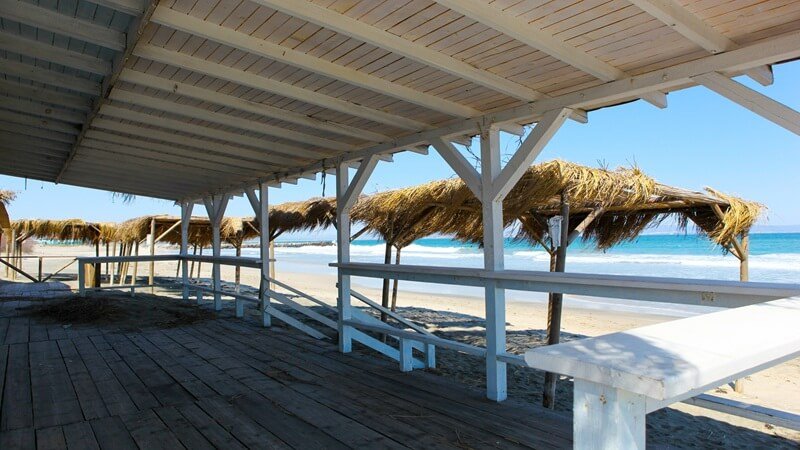
When summer winds down at Ryde, Gurnard or Colwell, most people just slap a padlock on the door and don’t think about the hut again until Easter. That’s a mistake. Come spring, you’ll open up to damp timber, seized locks, cracked paint and maybe even a door that’s been forced open by someone who wasn’t you. Mould will have crept into every corner, and the whole place will smell like a wet dog wrapped in old carpet. So before you walk away for winter, there are a few things you’ll want to sort out first.
Strip It Back and Dry It Out
Get everything out. Deckchairs, cushions, towels, crockery, gas canisters, the lot. That includes stuff that looks dry, because even a slightly damp cushion will turn into a mould factory once you seal the hut up for five or six months with no heating and no airflow. Pick a dry day and leave the doors and windows wide open for as long as you can. Wipe all the surfaces down with a mild bleach solution to kill off any mould spores that have already taken hold, then check the floor carefully. If the boards feel soft or spongy when you walk on them, rot has already started, and you’ll want to deal with that now because it’ll only get worse over winter.
Secure the Hut Against Break-Ins and Storm Damage
Empty huts lined up along a quiet esplanade from November onwards are easy pickings. Thieves know nobody will be around for months, and a standard glass pane takes about two seconds to put an elbow through. One of the smartest upgrades you can make is replacing old glass windows with a transparent polycarbonate panel, which looks almost the same as glass but offers over 200 times the impact strength. Nobody’s getting through that in a hurry. Fit a proper hasp and staple with a closed-shackle padlock too, because those are much harder to cut with bolt croppers than the open kind. And if your hut has shutters, check that they actually latch securely and aren’t just leaning in place.
Treat the Timber Before It’s Too Late
Salt air and months of winter rain will absolutely batter exposed wood. If your hut hasn’t had a fresh coat of preservative since last year, it’s overdue. Sand back any areas where the paint or treatment has started to flake, then put on a decent exterior wood preservative or marine-grade paint. Focus on the lower panels and horizontal surfaces especially, because those are the spots where water pools and lingers. Here’s one people always forget. The back wall. If your hut backs onto a bank or hedge, that rear face gets barely any sun and stays damp far longer than the rest. Give it two coats if you can manage it.
Deal with Salt Corrosion on Hardware
Hinges, padlocks, bolts, window catches. They all cop it from the salt air. If anything has gone stiff or you can see white or green deposits building up, scrub them off with a wire brush and spray on a corrosion-resistant lubricant. WD-40 will do at a push, but a proper marine-grade spray will hold up much better through the colder months. Don’t hang onto hardware that’s too far gone. A corroded padlock isn’t just annoying; it’s a genuine security risk, and a bolt that’s seized shut on the inside of a shutter won’t protect you from anything when a storm blows through in January.
Two Hours Now or Two Weeks of Repairs in April
Most of this comes down to timing. The people who lose a whole weekend in spring scraping mould, replacing rotten boards, and calling out locksmiths are almost always the ones who locked up in September without doing any of this first. A beach hut that sits through five months of coastal winter with untreated timber, corroded locks, and single-pane glass is basically asking for trouble. The repairs aren’t expensive either. A tin of marine-grade preservative, a closed-shackle padlock, a can of corrosion spray, and a polycarbonate panel for the window will cost you less than a single call-out from a joiner in April. And you’ll actually enjoy that first visit back in spring instead of spending it with a bucket of bleach and a growing list of things that need fixing. Get it done on the next dry afternoon. Your future self will thank you when Easter rolls around and the hut’s ready to go.