
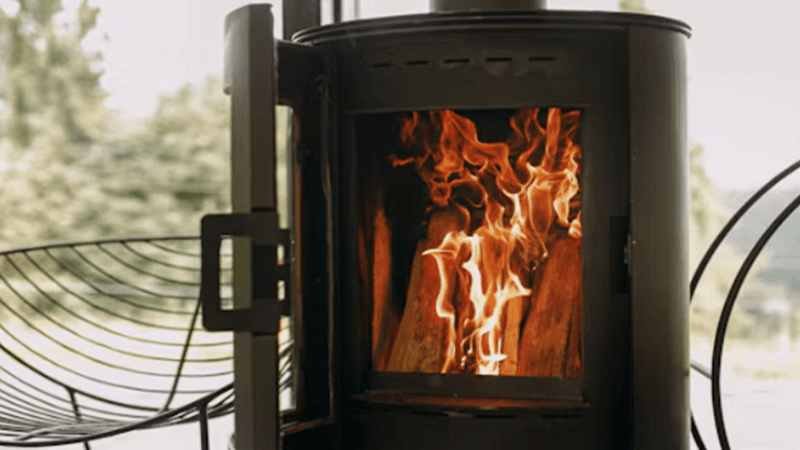
Cold weather can make outdoor spaces, garages, workshops, and vehicles uncomfortable. A reliable heating system helps maintain a comfortable temperature without relying on a building’s central heating. An 8 kW diesel air heater provides a reliable heating solution for spaces that require steady warmth during the winter months. Unlike traditional electric heaters, diesel air heaters generate heat by burning fuel in a separate combustion chamber. They then transfer that heat to the surrounding air without mixing exhaust gases with the heated airflow. This design makes them useful for various applications, including recreational vehicles, workshops, and certain enclosed outdoor areas with proper ventilation. Understanding how an 8KW diesel air heater works can help you decide if it suits your heating needs. Its heating capacity, fuel consumption, installation requirements, and safety features all influence its performance.
How an 8KW Diesel Air Heater Produces Consistent Warmth
An 8KW diesel air heater uses diesel fuel to produce thermal energy. Its combustion system burns fuel inside a dedicated chamber, while a separate fan moves air across a heat exchanger. The heated air then flows through an outlet into the space that needs warmth, making it suitable for enclosed areas or as a deck heater for outdoor spaces. This process allows the heater to distribute warm air without using the vehicle’s engine or a building’s central heating system. A thermostat or temperature sensor adjusts the heat output to maintain the desired temperature. The result is a controlled heating system that can operate independently when installed correctly.
Why Heating Capacity Matters in Cold Conditions
A unit’s heating capacity indicates the amount of heat it can generate. An 8KW rating indicates a nominal heating output of approximately 8,000 watts under specified operating conditions. However, actual performance depends on the installation, surrounding temperature, insulation, and operating settings. A larger heating capacity can be useful in spaces that lose heat quickly. However, choosing a heater based only on its wattage can lead to problems. An oversized unit may cycle frequently or struggle to maintain comfortable conditions at low output, depending on its design and controls.
Before selecting a heater, consider these factors:
- The overall size and volume of the area being heated.
- Insulation quality and air leakage.
- Expected outdoor temperatures.
- The number of doors and windows, along with their dimensions.
- How frequently the space will be occupied.
These details help determine whether an 8KW unit is suitable for your particular environment.
Can a Diesel Air Heater Work as a Deck Heater?
A deck heater can help make a covered outdoor area more comfortable during chilly weather. However, heating an open deck presents different challenges than warming an enclosed room. Wind carries heat away quickly, and low outdoor temperatures increase the amount of warmth needed to maintain comfort. An 8KW diesel air heater may suit certain sheltered deck areas when its heated air can be directed toward an occupied space. A covered patio, enclosed deck, or partially protected outdoor workspace can benefit more than a completely exposed deck. Proper positioning also matters because the heater needs a safe location with adequate airflow and clearance from combustible materials.
For open decks, consider these practical points:
- Place the heated air outlet where warmth can reach the seating or working area.
- Use wind protection where practical without restricting ventilation.
- Keep the heater and exhaust components away from people and flammable materials.
- Check whether the heating output suits the size and exposure of the deck.
A diesel air heater is not automatically a replacement for a purpose-built outdoor patio heater. Its suitability depends on the installation and the conditions in which it operates.
Fuel Consumption and Operating Costs During Winter
Fuel consumption affects how long a diesel heater can operate between refills. Many 8KW models offer adjustable heating output, allowing users to reduce fuel use when full heating capacity is unnecessary. The actual consumption depends on the selected power level, operating conditions, and the specific model.
For example, a unit with a stated fuel consumption range of 0.16 to 0.62 liters per hour could use different amounts of fuel throughout the day. Running it continuously at a high setting will generally require more fuel than maintaining a moderate temperature in a well-insulated space.
To manage operating costs, consider the following habits:
- Set a comfortable temperature instead of using maximum heat constantly.
- Improve insulation around doors, windows, and other openings.
- Check the fuel level before extended heating sessions.
- Turn the heater off when the space is not in use to avoid unnecessary operation.
- Clean and maintain the heater according to its instructions.
These measures can minimize energy waste while maintaining a comfortable indoor temperature throughout the colder months.
Temperature Controls Make Heating Easier to Manage
Modern diesel air heaters often include digital controls that simplify temperature adjustments. Depending on the model, users may have access to an LCD controller, remote control, Bluetooth connectivity, or a mobile application. These options can make it easier to adjust heating without repeatedly accessing the heater itself. Some models also offer programmable timers and temperature settings. These functions are useful when preparing a vehicle or workshop before use. However, remote operation does not remove the need for regular safety checks or proper ventilation. When comparing controls, look beyond the number of features. A clear display, responsive temperature adjustment, and straightforward operating instructions can make daily use more convenient. Check the exact control options included with the model before purchasing.
Where an 8KW Diesel Air Heater Can Be Useful
Diesel air heaters serve several purposes because they generate heat independently of a vehicle’s engine. Their compact designs and separate combustion systems make them suitable for certain mobile and stationary applications.
Common uses include:
- Recreational vehicles: Heating the living area during winter trips and overnight stays.
- Camper vans: Providing warmth when the vehicle is parked in cold weather.
- Workshops: Maintaining more comfortable temperatures in suitable enclosed workspaces.
- Boats: Supporting cabin heating when the heater is installed according to marine safety requirements.
- Garages: Providing supplemental warmth in appropriately ventilated spaces.
- Covered decks: Directing warm air toward sheltered seating or work areas when the setup is suitable.
The best application depends on the available space, installation conditions, and heating requirements. A heater designed for a vehicle or enclosed space should not be used casually in an exposed outdoor environment.
Safe Installation and Proper Ventilation
Safe installation is essential for any diesel air heater. Although the combustion chamber transfers heat to a separate airflow, the unit still produces exhaust gases during operation. Incorrect exhaust placement or poor installation can expose occupants to dangerous fumes, including carbon monoxide. Install the heater according to its manufacturer’s instructions. The combustion air intake and exhaust outlet must remain properly positioned and unobstructed. Exhaust gases should never enter occupied spaces, and the heater must have the required clearance from combustible materials.
Keep these safety measures in mind:
- Install the exhaust system securely and inspect it for leaks.
- Keep exhaust outlets away from windows, doors, and ventilation openings.
- Use a working carbon monoxide alarm in occupied enclosed spaces.
- Maintain adequate clearance around hot components.
- Inspect fuel lines and electrical connections regularly.
- Follow the specified startup and shutdown procedures.
Never operate a combustion heater in an enclosed area without the required exhaust arrangements. If the installation involves a vehicle, boat, or building, consider having a qualified professional check the setup.
Maintenance That Supports Reliable Cold-Weather Performance
Regular maintenance helps a diesel heater operate consistently throughout the heating season. Dust, fuel deposits, blocked air passages, and worn components can affect its performance. A heater that receives basic attention before winter is less likely to encounter avoidable operating problems. Start by checking the air intake and warm-air outlet for obstructions. Inspect the fuel lines, electrical connections, and exhaust components for signs of damage. Follow the manufacturer’s recommendations for cleaning and servicing the combustion system. It is also useful to test the heater before temperatures drop significantly. An early test gives you time to identify starting issues, unusual noises, or inconsistent heating. Avoid ignoring repeated shutdowns or warning indicators, as they may signal a problem that needs attention.
Choosing the Right Heating Setup for Your Space
An 8KW diesel air heater can provide substantial heating output, but the right choice depends on the environment. A compact, insulated camper van has different requirements from a large workshop or an open deck. Heating capacity alone cannot account for heat loss, airflow, or exposure to wind. Measure the space and consider its insulation before selecting a unit. Check the heater’s rated voltage, fuel requirements, operating range, and installation instructions. If you plan to use it in a mobile setup, also consider available battery power and the space needed for safe installation. For deck heating, pay particular attention to wind exposure and the distance between the warm-air outlet and the people using the area. A purpose-built outdoor heater may be more appropriate for a fully exposed deck. Comparing different heating methods helps avoid spending money on equipment that cannot meet your actual needs.
Frequently Asked Questions
Can an 8KW diesel air heater heat a deck?
An 8KW diesel air heater can provide warmth to a sheltered or partially enclosed deck when installed safely. However, open decks lose heat quickly because of wind and outdoor air movement. A dedicated outdoor heater may be more suitable for completely exposed spaces.
How much diesel does an 8KW diesel air heater consume?
Fuel consumption varies by model and heating level. Some 8KW units specify a range of approximately 0.16 to 0.62 liters per hour. Actual consumption depends on operating conditions, temperature settings, and the amount of heat required.
Can a diesel air heater run overnight?
Some models support extended operation, provided they have sufficient fuel and electrical power. Safe overnight use requires correct installation, unobstructed exhaust ventilation, and appropriate carbon monoxide protection. Always follow the manufacturer’s operating instructions.
Does an 8KW diesel air heater need electricity?
Yes. Most 12V diesel air heaters require electrical power to operate components such as the fan, fuel pump, and control system. The heater burns diesel for its main heat output, but it still needs a suitable electrical supply.
Is a diesel air heater suitable for a garage?
A diesel air heater may suit an appropriately sized and ventilated garage. Its exhaust must be routed safely outdoors, and the installation must follow the manufacturer’s requirements. A carbon monoxide alarm provides an additional safety measure but does not replace proper exhaust installation.
What should I check before buying a diesel air heater?
Check the heating capacity, fuel consumption, electrical requirements, temperature controls, and installation instructions. Consider the size and insulation of your space, along with the expected outdoor temperatures. For a deck or other outdoor area, also evaluate wind exposure and whether the heater is designed for that type of use.