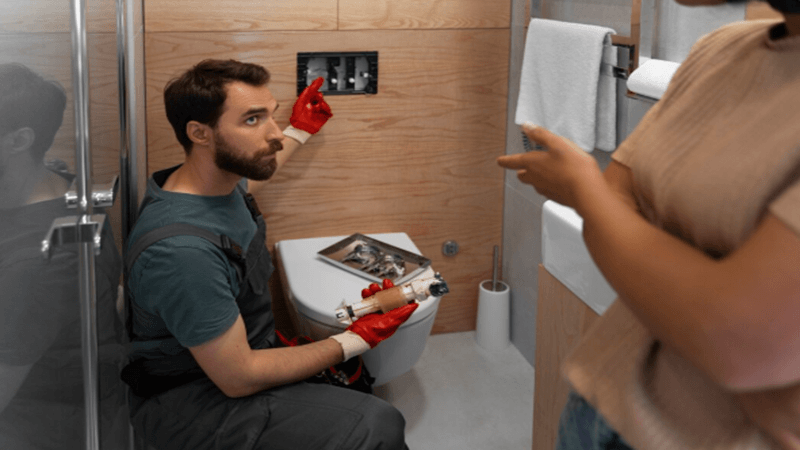
Plumbing is one of the most important systems in any home, yet it is often overlooked until something goes wrong. From leaking pipes to clogged drains, small issues can quickly turn into expensive repairs if not handled properly. Understanding Essential Plumbing Tips Every Homeowner Should Know can help you maintain your plumbing system, avoid emergencies, and save money in the long run.
Whether you are a new homeowner or have years of experience, learning basic plumbing maintenance and safety practices ensures your home remains functional and comfortable. This guide covers everything from preventing clogs to maintaining your water heater and handling emergencies effectively.
Know Your Main Water Shut-Off Valve
One of the first and most important things every homeowner should do is locate the main water shut-off valve. This valve controls the water supply to your entire home.
Where to Find It
It is usually located:
- In the basement
- Near the water meter
- In the garage
- Outside along the main water line
Why It Matters
In case of a burst pipe or major leak, shutting off the water immediately can prevent serious damage.
What You Should Do
- Label the valve clearly
- Test it once a year to ensure it works properly
- Make sure all family members know its location
This simple step is one of the most overlooked yet essential plumbing tips every homeowner should know, especially during emergencies.
Prevent Common Clogs
Bathroom Tips
- Only flush toilet paper and human waste
- Avoid flushing wipes, cotton pads, or hygiene products
- Use drain covers to catch hair
Kitchen Tips
- Never pour grease, oil, or fat down the sink
- Use paper towels to remove grease from pans before washing them.
- Use sink strainers to catch food particles
By following these simple steps, you can avoid costly plumbing repairs and keep your pipes flowing smoothly.
Maintain Your Water Heater
Your water heater plays a crucial role in your daily comfort. Without proper maintenance, it can lose efficiency or fail prematurely.
Flush the Tank Regularly
Drain a few gallons of water once or twice a year to remove sediment buildup. This helps:
- Improve efficiency
- Extend the lifespan (usually 8–12 years)
- Reduce energy costs
Set the Right Temperature
Keep your water heater set at 120°F (49°C). This prevents burns and saves energy.
Test the Safety Valve
Regular maintenance is a key part of Essential Plumbing Tips Every Homeowner Should Know, ensuring your system runs safely and efficiently.
Detect and Fix Leaks Early
Leaks may seem minor, but they can cause serious damage over time, including mold growth and structural issues.
Perform a Toilet Dye Test
Add food coloring to the toilet tank and wait 30 minutes. If color shows up in the bowl without flushing, it likely indicates a leak.
Monitor Your Water Meter
Turn off all water in your home and check the meter. If it’s still moving, there could be a hidden leak.
Inspect Hoses and Connections
Check washing machine and dishwasher hoses regularly for:
- Cracks
- Bulges
- Wear and tear
Replace hoses every 3–5 years with stronger braided stainless steel versions.
Early detection saves money and prevents long-term damage.
Winterize Your Pipes
Cold weather can cause pipes to freeze and burst, leading to major water damage. Taking preventive steps is essential during winter.
Insulate Exposed Pipes
Wrap pipes in unheated areas such as:
- Basements
- Garages
- Attics
Use foam insulation to protect them from freezing.
Let Faucets Drip
Disconnect Outdoor Hoses
Remove garden hoses before winter to stop water from freezing inside pipes.
Proper winter preparation is one of the essential plumbing tips every homeowner should know, especially in colder regions.
Follow Safe DIY Plumbing Practices
Many minor plumbing issues can be handled without professional help. However, it is important to use safe and effective methods.
Avoid Chemical Drain Cleaners
-
A plunger
-
A drain snake
-
Do Not Over-Tighten Fittings
Over-tightening can crack pipes or damage threads. Always:
Tighten by hand first
Use Plumber’s Tape
Wrap Teflon tape around threaded connections to prevent leaks. Apply it clockwise 2–3 times for a secure seal.
These practices help maintain your plumbing system without causing accidental damage.
Keep Your Drains Clean Naturally
Regular cleaning helps prevent buildup and keeps your plumbing system working efficiently.
Simple Cleaning Routine
- Pour boiling water down drains weekly
- Use baking soda and vinegar monthly
- Clean drain covers regularly
Natural cleaning methods are safe, effective, and environmentally friendly.
Upgrade Old Plumbing Fixtures
Old fixtures can lead to water waste and lower efficiency. Upgrading them improves both performance and home value.
Consider Installing:
- Low-flow toilets
- Water-efficient faucets
- Modern showerheads
These upgrades not only save water but also lower utility bills.
Understand When to Call a Professional
While DIY solutions are helpful, some problems require professional expertise.
Call a Plumber If You Notice:
- Persistent leaks
- Low water pressure
- Sewage backups
- Strange noises in pipes
- Water heater issues
Trying to fix complex problems yourself can sometimes make things worse. Professional plumbers have the tools and experience to handle serious issues safely.
Create a Plumbing Maintenance Schedule
Regular maintenance helps prevent emergencies and keeps your system in top condition.
Monthly Tasks
- Check for leaks
- Clean drains
Quarterly Tasks
- Inspect pipes and fittings
- Test water pressure
Annual Tasks
- Flush the water heater
- Test shut-off valves
- Inspect major appliances
Having a schedule ensures that nothing is overlooked.
Benefits of Proper Plumbing Maintenance
Following these tips provides several long-term benefits:
- Reduced repair costs
- Improved water efficiency
- Longer lifespan of plumbing systems
- Increased home value
- Better hygiene and comfort
A well-maintained plumbing system is essential for a safe and functional home.
Final Thoughts
Plumbing maintenance does not have to be complicated or expensive. By learning and applying Essential Plumbing Tips Every Homeowner Should Know, you can prevent common issues, save money, and ensure your home runs smoothly.
From locating your main shut-off valve to preventing clogs and maintaining your water heater, each step plays a crucial role in protecting your home. Regular inspections, smart habits, and timely repairs can make a significant difference in the performance and longevity of your plumbing system.
Remember, small efforts today can prevent major problems tomorrow. By following these Essential Plumbing Tips Every Homeowner Should Know, you can enjoy a stress-free and efficient home for years to come.