
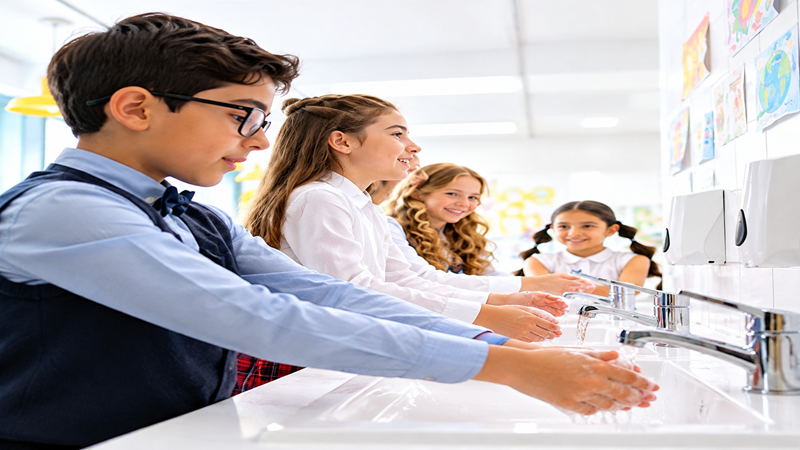
Getting kids to care about saving water can be harder than it sounds. You can tell them to turn the tap off ten times a day, and somehow the tap will still be running while they brush their teeth. That doesn’t mean they don’t care. Most children just don’t really think about where the water goes or how much is being used. For them, water comes out of the tap when they need it. That’s it. A better approach is to make water conservation part of things they already do at home.
Make Saving Water into a Game
Kids usually respond better to a game than another reminder from a parent. Try a shower challenge. Put on a timer and give them a reasonable amount of time to finish their shower. It doesn’t have to be a crazy race where everyone is running around the bathroom. The idea is simply to make them aware of how long the water is actually running. Tooth brushing can work the same way. Turn the tap off while brushing and only switch it back on when it’s time to rinse. A cup can be used instead of letting the water run. After a few days, see whether they remember to do it without being told. That part matters. The goal isn’t to have parents standing outside the bathroom shouting, “TURN THE TAP OFF!” forever.
Give Them a Leak Detective Job
A dripping tap isn’t exactly exciting. But telling a child they have to find the leaks around the house? That can work. Let them explore the house with an adult on a chosen day. Examine the kitchen sink, shower, toilet, and bathroom faucets. Check for any leaking water that appears to be running when it shouldn’t. For younger kids, just identifying the issue is sufficient. An easy experiment can be assisted by older children. Place a cup beneath a dripping tap for at least an hour. Next, check the amount of water the cup collected. It suddenly becomes much easier to understand what “wasting water” actually means when a physical amount is sitting right in front of them. And yes, it is useful for the adults too.
Let Kids Reuse Water
Water conservation doesn’t always mean using absolutely no water. Sometimes it means finding another use for water that would otherwise be thrown away. For example, a bucket can sit in the shower while the water is warming up. That water may be suitable for watering plants or other simple household uses. Let the kids get involved. They can carry the watering can, decide which plants need water, and see how long the collected water lasts. It becomes less of a lesson and more of a normal household job. And honestly, that’s probably the better way to teach it.
Try a Very Simple Water Experiment
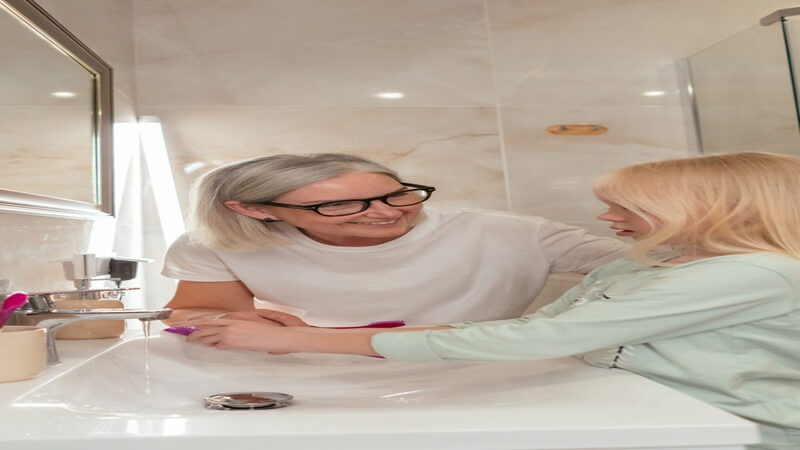
There’s no need to buy a science kit for this. Take two containers. Run the tap normally into one. For the other, turn the tap off whenever water isn’t actually needed. Compare the two. Kids can see the difference straight away. Another easy idea is a small water-saving chart on the fridge. Don’t make it complicated. Just let them tick off things they remembered to do. Maybe:
- Turned the tap off while brushing
- Took a shorter shower
- Found a leak
- Reused water for plants
- Didn’t leave the tap running
A sticker or a star at the end of the week is probably enough. It doesn’t need to become another competition between siblings.
Then Talk About Water Outside the House
This is where the conversation can get a little bigger. Once children understand why their own family shouldn’t waste water, explain that not everyone has the same access to it. A child who can turn on a tap whenever they want may find that idea difficult to imagine. The latest WHO and UNICEF figures show that 2.1 billion people still lacked safely managed drinking water in 2024. That doesn’t need to become a heavy conversation. Just explain it simply. Some families are trying to save a few litres at home. Other families may have to travel to find a reliable source of water in the first place. Those are very different situations, but talking about both can help children understand why water matters. It can also be a good opportunity to show children that there are different ways people help communities that don’t have reliable access to clean water. For example, families looking for a practical charitable project may choose to donate a water well to support access to water where it’s needed.
Don’t Turn It into Another Set of Rules
That’s probably the biggest thing. Kids don’t need a 20-point water conservation policy stuck to the fridge. Start small. Turn the tap off while brushing. Try shorter showers. Check for leaks. Reuse suitable water for plants. Let children help with those things instead of simply telling them what not to do. And when they forget? They’ll forget. The point is to keep reminding them until the habit becomes normal. Over time, children start noticing things on their own. They see a dripping tap. They complain when someone leaves the water running. They remember the bucket in the shower. That’s when the lesson has actually worked. Water conservation involves more than merely consuming fewer litres or lowering the water cost. It’s also about teaching kids that reliable, clean water is a resource not everyone can take for granted. Starting with a few minor routines at home might be quite beneficial.