
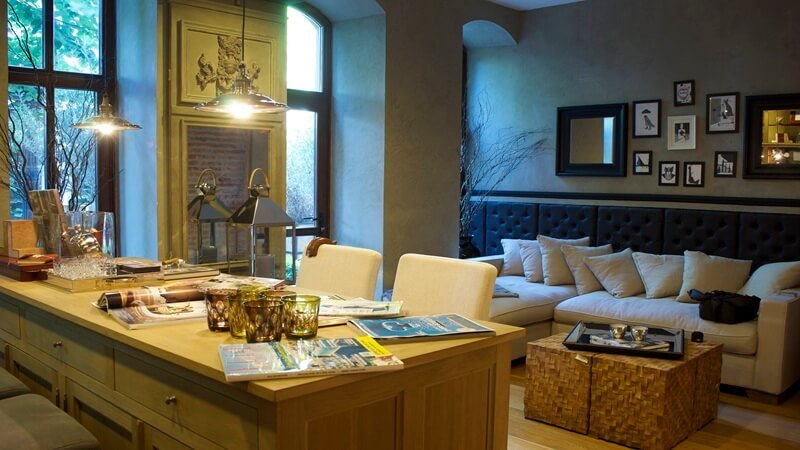
Renovating a home does not always require a large budget, major construction, or a complete transformation. With thoughtful planning and a focus on high-impact improvements, homeowners can create a fresher, more comfortable, and more attractive living space without spending a fortune. The key is to identify the areas that need attention, prioritize practical upgrades, and make smart choices about materials, colors, furniture, and décor. Whether you are preparing your house for sale, improving your everyday comfort, or simply giving your rooms a fresh appearance, small changes can produce impressive results. From repainting walls and updating lighting to improving storage and refreshing outdoor areas, there are plenty of affordable ways to transform your home. This guide explores Budget-Friendly Home Renovation Ideas That Make a Big Difference, along with practical advice to help you plan your project, control expenses, and achieve a polished result.
Start With a Realistic Renovation Budget
Before buying materials or starting any project, determine how much you can comfortably spend. A clear budget helps prevent unnecessary purchases and keeps the renovation under control. Begin by listing the areas you want to improve. Separate essential repairs from cosmetic upgrades. For example, fixing a leaking faucet or damaged flooring should generally take priority over decorative accessories.
Divide your budget into categories such as:
- Paint and wall treatments
- Flooring
- Lighting
- Furniture
- Hardware and fixtures
- Storage solutions
- Kitchen improvements
- Bathroom improvements
- Outdoor upgrades
- Professional labor
It is also a good idea to set aside some of your budget for unexpected expenses. Older homes can sometimes reveal hidden problems once renovation work begins. Keeping a contingency amount available gives you flexibility if an unexpected repair becomes necessary.
Refresh Your Walls With Paint
One of the easiest ways to transform a room is by changing its wall color. Fresh paint can make an outdated room look cleaner, brighter, and more modern. Neutral shades such as soft white, beige, warm gray, and light cream can make smaller rooms feel more spacious. If you prefer more personality, consider using a deeper color on one accent wall while keeping the remaining walls neutral. You do not necessarily need to hire professional painters for every room. If the walls are in reasonable condition, painting them yourself can reduce labor costs. Before painting, prepare the surface properly. Clean dusty areas, repair small holes, cover furniture, and use painter’s tape around trim and fixtures. Spending extra time on preparation can make the finished result look considerably more professional.
Update Interior Doors and Hardware
Replacing every door in your home can become expensive, but you may not need to replace them at all. Sometimes a simple refresh is enough. Old interior doors can often be cleaned, repaired, and repainted. Replacing outdated handles and hinges can also give doors a more contemporary appearance. The same principle applies to cabinets and drawers. Instead of replacing an entire kitchen or bathroom cabinet system, consider installing new handles or knobs. Choose hardware with a consistent finish throughout the room. This small detail can create a more coordinated and intentional appearance without requiring a major renovation.
Improve Your Lighting
Lighting plays an important role in shaping the look and atmosphere of a home. A room with outdated or insufficient lighting can appear dark and uninviting even when the furniture and décor are attractive. Start by replacing old bulbs with energy-efficient LED options. Then consider adding different layers of lighting. Ambient lighting provides general illumination, while task lighting is useful for activities such as cooking, reading, or working. Accent lighting can highlight artwork, shelves, architectural features, or decorative objects. Affordable table lamps, floor lamps, under-cabinet lights, and wall fixtures can dramatically improve a room without requiring extensive electrical work. Also take advantage of natural light. Keep windows clean and avoid placing heavy furniture directly in front of them.
Give the Kitchen a Simple Makeover
A complete kitchen renovation can be expensive, but you can make significant improvements without replacing everything. One of the most effective options is updating cabinet fronts. Depending on their condition, cabinets can be cleaned, sanded, and painted in a fresh color. New cabinet handles can further enhance the transformation. You can also replace an outdated faucet with a modern, affordable model.
Other simple kitchen improvements include:
- Adding peel-and-stick backsplash panels
- Installing open shelves
- Replacing old light fixtures
- Organizing countertops
- Adding attractive storage containers
- Refreshing a kitchen island
- Replacing worn drawer organizers
Keep the countertops as clear as possible. A tidy kitchen often feels more spacious and modern without requiring structural changes.
Refresh the Bathroom Without Remodeling Everything
Bathrooms can also benefit from inexpensive improvements. Instead of replacing every fixture, concentrate on visible details. Replace old shower curtains, towels, bath mats, and accessories with coordinated options. Updating the mirror can also change the overall appearance of the space. If the bathroom walls look tired, a fresh coat of moisture-resistant paint can help. Replacing cabinet hardware and updating lighting are additional affordable improvements. For worn grout, cleaning or refreshing the grout lines can make tiles look significantly better. However, serious water damage, leaks, or mold problems should be addressed properly rather than covered with cosmetic improvements.
Make Flooring Look Better
Flooring is another area where a small investment can have a noticeable effect. However, replacing flooring throughout the entire house may not be necessary. First, determine whether your current flooring can be repaired or restored. Hardwood floors may benefit from refinishing, while some tile surfaces can look better after thorough cleaning and grout maintenance. For rooms that need new flooring, affordable options include laminate, vinyl plank, and certain types of engineered flooring. Compare durability, maintenance requirements, installation costs, and expected lifespan before making a decision. Area rugs can also transform a room while protecting existing floors. They add warmth, texture, and visual interest without the expense of installing an entirely new floor.
Upgrade Your Furniture Arrangement
Renovation does not always mean buying something new. Sometimes rearranging what you already own can completely change the atmosphere of a room. Move furniture away from walls when appropriate and create clear pathways through the space. Make sure seating encourages conversation and that important areas remain easy to access. Remove furniture that makes the room feel crowded. If you have items that are rarely used, consider storing, donating, or selling them. A simpler arrangement can make a room feel larger and more comfortable at no cost.
Add Affordable Decorative Features
Decorative details can give your home personality without requiring a large investment.
Consider adding:
- Framed artwork
- Mirrors
- Indoor plants
- Decorative cushions
- Curtains
- Throw blankets
- Bookshelves
- Wall shelves
- Decorative baskets
- Simple sculptures
Mirrors are especially useful in smaller rooms because they can reflect light and create the impression of greater space. Try to avoid adding too many decorative objects. A few carefully selected pieces often look more sophisticated than a room filled with unrelated accessories.
Improve Storage and Organization
Better storage can make a home feel more spacious even when the available floor area does not change. Look for unused spaces that can become practical storage areas. Under-bed containers, wall-mounted shelves, baskets, hooks, and organizers can help keep everyday items under control. In the kitchen, drawer dividers and cabinet organizers can improve functionality. In bathrooms, wall-mounted storage can keep counters clear. A well-organized home usually looks cleaner and more relaxing. Therefore, storage improvements can provide both aesthetic and practical benefits.
Update Window Treatments
Windows are an important visual feature, but replacing expensive window systems is not always necessary. Simple curtains or blinds can dramatically change a room. Choose window treatments that complement your wall color and furniture. Light-colored curtains can help a room feel bright and airy, while heavier curtains may create a warmer and more private atmosphere. Make sure curtains are properly measured and installed at an appropriate height. Hanging them slightly higher and wider than the window can create a more polished appearance.
Improve Your Home’s Entryway
The entryway creates the first impression of your home. Fortunately, it does not require a large investment to make it more welcoming. Start by cleaning the entrance and removing unnecessary items. Add a simple doormat, wall hooks, a mirror, or a small console if space allows. If the front door looks worn, consider cleaning and repainting it. Updating the door hardware or adding a modern house number can also improve the exterior appearance. Good lighting around the entrance is another useful improvement for both appearance and practicality.
Give Outdoor Areas Some Attention
Home improvements should not stop at the front door. Patios, balconies, porches, and gardens can become valuable extensions of your living space. Clean outdoor surfaces thoroughly before deciding what needs replacement. Sometimes pressure washing or deep cleaning can make an older space look considerably better.
Add inexpensive elements such as:
- Potted plants
- Outdoor cushions
- String lighting
- Simple planters
- An outdoor rug
- Comfortable seating
- Decorative containers
If you have a garden, focus on maintaining existing plants before purchasing large numbers of new ones. Trimming overgrown vegetation and removing dead plants can immediately improve curb appeal.
Consider DIY Projects Carefully
Do-it-yourself projects can reduce labor costs, but not every renovation task is suitable for DIY work. Painting, basic decorating, furniture refinishing, shelving, and some simple installation projects may be manageable for homeowners with the right tools and knowledge. However, electrical work, major plumbing changes, structural modifications, gas-related work, and other safety-sensitive projects may require qualified professionals. Saving money should never come at the expense of safety. If you are unsure whether a project is appropriate for DIY work, seek professional guidance before beginning.
Shop Smart for Renovation Materials
One of the easiest ways to control renovation costs is to compare prices before purchasing. Look for sales, clearance products, local suppliers, and reasonably priced alternatives. However, avoid choosing materials based solely on the lowest price. Consider quality, durability, maintenance, warranty, and installation requirements. A slightly more expensive product may provide better long-term value if it lasts considerably longer. You can also reuse existing materials whenever possible. Refinishing furniture, repainting cabinets, or restoring fixtures may cost much less than buying replacements.
Prioritize Improvements With Long-Term Value
Not every renovation produces the same practical benefit. Focus on improvements that make your home more comfortable, functional, durable, or visually appealing. Energy-efficient lighting, better insulation, improved storage, updated fixtures, and properly maintained exterior areas may provide benefits beyond appearance. When planning Budget-Friendly Home Renovation Ideas That Make a Big Difference, think about how each improvement will affect your everyday life rather than focusing only on current design trends. A beautiful renovation should also be practical and suitable for the people living in the home.
Avoid Common Renovation Mistakes
Even affordable renovations can become expensive if they are poorly planned. One common mistake is starting too many projects at once. Completing one area before moving to another makes it easier to control spending and evaluate the results. Another mistake is buying materials before taking accurate measurements. Incorrect quantities can lead to wasted money and unnecessary delays. Ignoring small repairs is another problem. A decorative upgrade will not solve a leaking pipe, damaged electrical system, or serious moisture issue. Finally, avoid copying trends without considering your home’s style. Choose improvements that work with your existing architecture and your personal needs.
Create a Simple Renovation Plan
A successful renovation begins with a clear sequence of tasks. Start by identifying your priorities. Next, establish a budget and determine which projects you can complete yourself. Create a shopping list and measure the areas involved before buying materials. Then schedule the work in a logical order.
For example, you may want to repair surfaces before painting, paint before installing new decorative features, and complete dusty work before bringing in newly cleaned furniture.
Taking photographs before beginning can also help you compare the transformation afterward.
Final Thoughts
A home renovation does not have to be expensive to be effective. By focusing Lwspeakcare on visible improvements, practical upgrades, organization, lighting, paint, furniture arrangement, and outdoor spaces, homeowners can achieve impressive results with a controlled budget. The most successful projects usually combine creativity with careful planning. Instead of trying to change everything at once, choose improvements that solve real problems and enhance the way you use your home. Whether you are refreshing one room or gradually improving the entire property, Budget-Friendly Home Renovation Ideas That Make a Big Difference can help you approach the process with confidence and purpose. Remember, the goal isn’t simply to create a home that looks attractive. A well-planned renovation should also improve comfort, functionality, organization, and everyday enjoyment. With thoughtful decisions and smart spending, even modest changes can make your home feel noticeably newer and more inviting.