
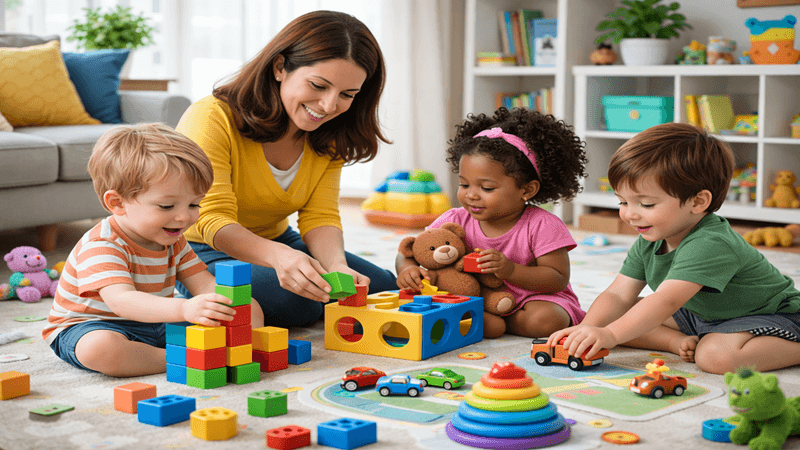
Children learn best when they are happy, engaged, and actively involved. One of the most powerful tools parents and caregivers can use to support healthy development is play. Games designed for young children are not just about passing time—they help build thinking skills, emotional strength, creativity, and social confidence. When chosen and guided properly, games can become a foundation for lifelong learning.
This complete guide explores how structured and unstructured play supports child development, how parents can choose the right activities for different ages, and how to use playtime as a positive training tool. By the end of this article, you’ll understand how thoughtful play can shape confident, curious, and well-rounded children.
Understanding the Importance of Games in Childhood
Play is a child’s natural way of exploring the world. Through games, children learn cause and effect, problem-solving, communication, and self-control. Unlike formal lessons, games allow children to learn without pressure, making information easier to absorb and remember.
Well-designed games help children:
- Develop fine and gross motor skills
- Improve language and communication
- Learn cooperation and sharing
- Strengthen emotional regulation
- Boost imagination and creativity
Parents who intentionally include educational play in daily routines often notice improvements in behavior, focus, and confidence.
Types of Games That Support Child Development
1. Educational Games
Educational games are designed to teach specific skills while keeping children entertained. These include:
- Alphabet and number matching games
- Color and shape recognition activities
- Simple puzzles and sorting tasks
These games support early literacy, math readiness, and logical thinking. Short, consistent play sessions work best for younger children.
2. Physical and Movement Games
Physical activity is essential for growing bodies. Movement-based games help children build strength, coordination, and balance.
Examples include:
- Jumping, hopping, and balance challenges
- Ball games and obstacle courses
- Dance and rhythm activities
These games also help children release energy in healthy ways, improving sleep and focus.
3. Creative and Imaginative Play
Imaginative play allows children to express feelings and explore social roles. Pretend games are especially powerful for emotional development.
Creative play ideas include:
- Role-playing family, school, or community roles
- Drawing, painting, and crafting
- Storytelling and puppet play
This type of play encourages empathy, communication, and problem-solving.
4. Social and Group Games
Group games teach children how to interact with others respectfully. These activities help children learn cooperation, patience, and teamwork.
Benefits include:
- Learning to follow rules
- Understanding winning and losing gracefully
- Building friendships and social confidence
Even simple board games or turn-taking activities can have a big impact.
How Games Help With Child Training
Games are not only for fun—they are powerful training tools. Parents can use play to reinforce positive behavior, routines, and life skills.
Through games, children can learn:
- Listening and following instructions
- Managing emotions
- Responsibility and independence
- Problem-solving and decision-making
When children enjoy the process, they are more willing to participate and learn.
This is why many parents turn to kiddy games llblogkids as a way to blend learning, discipline, and enjoyment into everyday routines.
Choosing the Right Games by Age
Toddlers (Ages 1–3)
At this stage, children are discovering their senses and motor abilities.
Best game features:
- Simple instructions
- Bright colors and textures
- Short playtime
Focus on stacking, sorting, music, and movement games.
Preschoolers (Ages 3–5)
Preschoolers are curious and eager to explore.
Ideal games include:
- Counting and letter games
- Pretend play
- Simple puzzles
These games support early learning and emotional expression.
Early School Age (Ages 6–8)
Children at this age can follow rules and enjoy challenges.
Good choices:
- Strategy-based board games
- Team games
- Creative building activities
These help develop logic, patience, and collaboration.
How Parents Can Guide Play Effectively
Children benefit most when parents are involved. Guided play doesn’t mean controlling the game—it means supporting and encouraging learning.
Tips for effective guidance:
- Let the child lead the activity
- Ask open-ended questions
- Praise effort, not just results
- Keep the environment positive
Avoid turning games into pressure-filled lessons. The goal is enjoyment and growth, not perfection.
Many families have found success by using kiddy games llblogkids as a framework for balanced, stress-free learning at home.
Balancing Screen-Based and Offline Games
Digital games can be useful when chosen carefully, but they should not replace physical or social play.
Healthy balance tips:
- Limit screen time by age
- Choose interactive and educational content
- Combine digital games with hands-on activities
Offline play remains essential for physical health and emotional development.
Common Mistakes Parents Should Avoid
Even with good intentions, some habits can reduce the benefits of play.
Avoid:
- Over-scheduling playtime
- Interrupting or correcting too often
- Using games as rewards or punishments only
- Ignoring a child’s interests
Children learn best when they feel safe, relaxed, and supported.
Building Strong Parent-Child Bonds Through Games
Playing together strengthens trust and emotional connection. Children who feel supported during play are more open to guidance and communication in daily life.
Benefits of shared play include:
- Improved communication
- Stronger emotional security
- Better behavior and cooperation
Simple daily play sessions can make a lasting difference.
This is why structured approaches like kiddy games llblogkids focus not only on learning outcomes but also on nurturing positive relationships.
Creating a Daily Play Routine
Consistency helps children feel secure and organized.
Steps to build a routine:
- Choose a regular playtime
- Mix physical, creative, and learning games
- Keep sessions age-appropriate
- End playtime positively
Even 20–30 minutes a day can have meaningful benefits.
Final Thoughts
Games are far more than entertainment—they are essential tools for learning, training, and emotional growth. When parents choose the right activities and stay involved, play becomes a powerful foundation for success in childhood and beyond.
By understanding how different games support development, guiding play with patience, and maintaining a healthy balance, parents can raise confident, curious, and emotionally strong children. With the right approach, playtime becomes one of the most valuable parts of family life—where children truly learn, grow, and thrive.