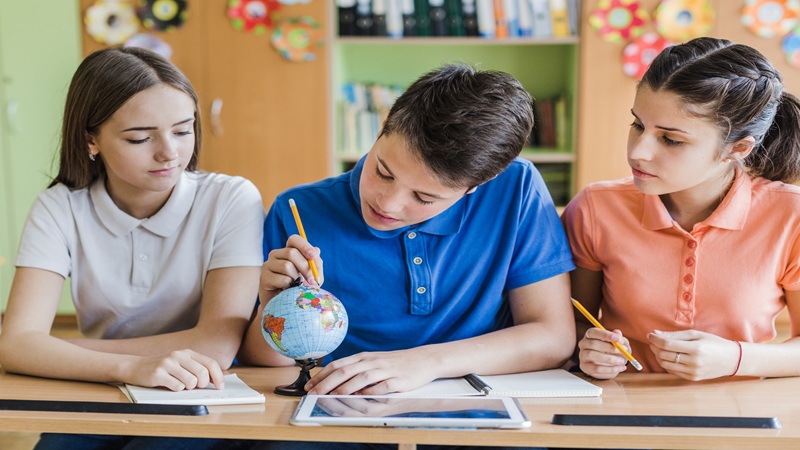
Education is one of the greatest gifts parents and teachers can offer children. However, true education goes beyond textbooks, classrooms, and examinations. It involves developing curiosity, creativity, emotional intelligence, communication skills, and lifelong learning habits. Every interaction, activity, and experience contributes to a child’s growth, making education a continuous journey rather than a destination. This comprehensive educational guide llblogkids, is designed to help parents, caregivers, and educators create a positive learning environment that nurtures children’s intellectual, emotional, social, and physical development. Whether your child is a toddler beginning to explore the world or a school-age learner building academic skills, this guide provides practical advice, proven strategies, and age-appropriate activities to support every stage of learning.
Understanding the Importance of Early Education
The early years of childhood are essential for healthy brain development. During this time, children rapidly absorb information from their surroundings. Positive experiences lay the foundation for future academic achievement and personal success.
Early education helps children develop:
- Language and communication skills
- Problem-solving abilities
- Creativity
- Social confidence
- Emotional regulation
- Critical thinking
- Physical coordination
Children who receive consistent educational support are often better prepared for school and lifelong learning.
The Goals of Child Education
Education should help children become more than good students. Its purpose is to prepare them for life by developing essential skills.
These goals include:
- Independent thinking
- Confidence
- Responsibility
- Creativity
- Curiosity
- Respect for others
- Decision-making abilities
An effective learning environment encourages children to ask questions, explore ideas, and solve problems independently.
Creating a Positive Learning Environment
A supportive environment significantly improves learning outcomes.
Design a Dedicated Learning Space
Children focus better when they have an organized study area.
Include:
- Comfortable seating
- Good lighting
- Educational books
- Art supplies
- Minimal distractions
A clean workspace encourages concentration and productivity.
Maintain Daily Routines
Children feel more secure when they know what to expect.
Daily routines should include:
- Study time
- Reading
- Outdoor play
- Family interaction
- Creative activities
- Adequate sleep
Consistency helps children develop discipline and responsibility.
Play-Based Learning
Play is one of the most effective methods of learning and education. Children naturally learn while playing.
Examples include:
Building Blocks
Teach:
- Engineering concepts
- Problem-solving
- Spatial awareness
Role-Playing
Pretending to become doctors, teachers, or shopkeepers improves:
- Language
- Creativity
- Confidence
Outdoor Games
Sports and physical activities teach:
- Teamwork
- Leadership
- Communication
- Physical fitness
Play transforms learning into an enjoyable experience.
Reading: The Foundation of Learning
Reading is one of the most valuable habits children can develop.
Benefits include:
- Better vocabulary
- Stronger comprehension
- Improved imagination
- Enhanced communication
- Better academic performance
Parents should read with children daily. Choose books that match the child’s interests and age. Ask questions after reading to improve understanding.
Examples:
- What happened first?
- Which character did you like?
- How would you end the story?
These conversations strengthen critical thinking.
Developing Strong Communication Skills
Communication is essential for academic and personal success.
Parents can improve communication by:
- Listening patiently
- Asking open-ended questions
- Encouraging storytelling
- Discussing daily experiences
Instead of asking:
“Did you have fun?”
Try asking:
What was the most surprising thing you learned today? This encourages longer, more meaningful conversations.
Encouraging Curiosity
Curious children become motivated learners. Support curiosity by encouraging questions.
Examples include:
- Why is the sky blue?
- How do birds fly?
- Why do plants need sunlight?
If you don’t know the answer, explore it together. Learning alongside your child demonstrates that education never stops.
Teaching Through Everyday Activities
Learning doesn’t only happen in school. Everyday experiences provide valuable educational opportunities.
Cooking
Children learn:
- Measurements
- Fractions
- Following instructions
Shopping
Children practice:
- Mathematics
- Budgeting
- Decision-making
Gardening
Gardening teaches:
- Science
- Responsibility
- Patience
- Environmental awareness
Simple daily tasks often become powerful educational lessons.
Technology and Digital Learning
Technology offers excellent educational opportunities when used responsibly.
Useful educational tools include:
- Reading apps
- Mathematics games
- Science videos
- Language-learning platforms
- Creative design software
However, balance is essential.
Parents should:
- Set screen-time limits
- Monitor online activities
- Encourage offline play
- Promote family interaction
Technology should complement learning rather than replace real-life experiences.
Age-Specific Educational Guidance
Learning strategies should adapt as children grow.
Toddlers (2–4 Years)
Focus on:
- Colors
- Shapes
- Numbers
- Letters
- Sensory activities
Recommended activities:
- Singing
- Building blocks
- Finger painting
- Matching games
Keep sessions short and enjoyable.
Early Childhood (5–7 Years)
Children begin structured education.
Focus on:
- Reading
- Writing
- Basic mathematics
- Social skills
Activities include:
- Storytelling
- Educational puzzles
- Flashcards
- Simple science experiments
Positive reinforcement encourages confidence.
Middle Childhood (8–12 Years)
Older children develop greater independence.
Focus on:
- Critical thinking
- Time management
- Project-based learning
- Responsibility
Encourage:
- Research projects
- Journaling
- Coding basics
- Public speaking
These skills prepare children for higher education.
Building Emotional Intelligence
Academic knowledge alone is not enough.
Children also need emotional skills.
Teach children to:
- Identify emotions
- Express feelings respectfully
- Solve conflicts peacefully
- Practice empathy
Simple questions help:
- How are you feeling?
- What made you happy today?
- How can we solve this together?
Emotionally healthy children perform better socially and academically.
Positive Reinforcement
Children thrive when encouraged.
Encourage persistence by praising effort rather than only correct answers.
Examples:
- Great job trying.
- I’m proud of your hard work.
- You kept practicing until you improved.
Positive reinforcement develops resilience and a growth mindset.
Developing Problem-Solving Skills
Problem-solving prepares children for future challenges. Encourage independent thinking.
Instead of giving answers immediately, ask:
- What do you think?
- Can you find another solution?
- What might happen next?
This builds confidence and analytical thinking.
Teaching Responsibility
Responsibility should begin early. Age-appropriate chores include:
Young children:
- Putting toys away
- Watering plants
Older children:
- Organizing school materials
- Preparing simple meals
- Managing homework schedules
Responsibility teaches accountability and independence.
Encouraging Creativity
Creative children become innovative adults.
Support creativity through:
- Drawing
- Painting
- Music
- Story writing
- Building projects
Avoid criticizing original ideas. Allow children to experiment freely.
Common Educational Challenges
Every child faces learning difficulties at some point.
Lack of Motivation
Solutions:
- Make learning enjoyable.
- Break tasks into smaller steps.
- Celebrate progress.
Short Attention Span
Solutions:
- Short learning sessions
- Frequent movement breaks
- Interactive activities
Fear of Mistakes
Teach children to view mistakes as opportunities for learning and growth. Share examples of famous inventors and scientists who learned through failure.
Building Lifelong Learning Habits
Education should continue beyond childhood.
Encourage habits such as:
- Daily reading
- Asking questions
- Exploring new hobbies
- Visiting museums
- Watching educational documentaries
Children who enjoy learning continue growing throughout life.
The Role of Parents and Teachers
Parents and teachers are partners in education.
Successful collaboration includes:
- Regular communication
- Shared learning goals
- Positive encouragement
- Consistent expectations
Children succeed when adults work together.
Long-Term Benefits of Quality Education
Following the principles shared in this educational guide llblogkids helps children develop valuable lifelong skills.
These include:
- Confidence
- Communication
- Leadership
- Emotional resilience
- Academic excellence
- Creativity
- Independence
Education shapes both character and knowledge.
Practical Daily Learning Routine
An example daily schedule:
Morning
- Healthy breakfast
- Reading for 15 minutes
Afternoon
- Schoolwork
- Educational games
Evening
- Outdoor activity
- Family discussion
- Creative project
Night
- Storytime
- Reflection on the day
Consistency creates lasting habits.
Conclusion
This educational guide llblogkids demonstrates that meaningful education extends far beyond school lessons. Children learn through conversations, play, daily experiences, exploration, and positive relationships. By creating a supportive environment, encouraging curiosity, promoting creativity, and maintaining consistent routines, parents and educators can help children reach their full potential. The principles presented in this guide emphasize balanced development—combining academic learning with emotional intelligence, social skills, creativity, and physical well-being. Every child has unique talents and learns at their own pace. With patience, encouragement, and thoughtful guidance, those talents can flourish. Most importantly, remember that education is not simply about preparing children for exams. It is about preparing them for life. Following the ideas in this educational guide llblogkids will help children become confident learners, compassionate individuals, responsible citizens, and lifelong seekers of knowledge. Every moment spent teaching, listening, playing, and encouraging your child becomes an investment in their brighter future.