
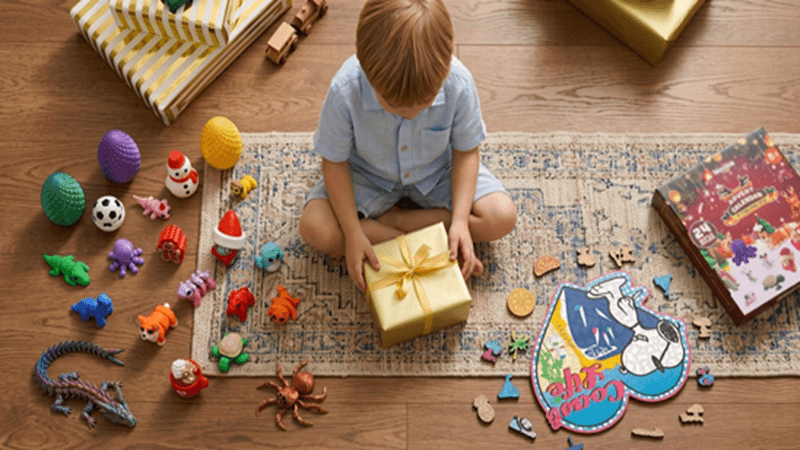
The best Christmas gifts invite children to do something: build a world, tell a story, solve a puzzle, or try a new activity. That can be as simple as a box of pencils or as imaginative as a collection of 3D-printed toys. For 2026, start with the interests a child returns to when nobody is directing the play. These ten ideas cover different kinds of enjoyment, from daily surprises to shared adventures, with practical suggestions for making each present feel thoughtfully chosen.
1. Animal Advent Calendar
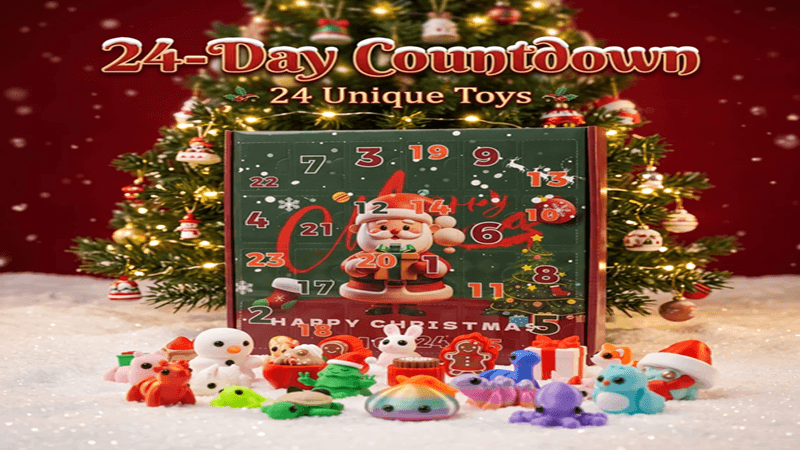
For a child who loves anticipation, a countdown turns one gift into a small daily ritual. Nexbie’s 3D-printed advent calendar contains 24 miniature PLA animal figures with varied shapes and textures. The collectible format gives each reveal a place in a growing animal scene, making the experience extend beyond opening a door. Give it before the December countdown starts and include a shallow tray for the figures. Let the child arrange the animals however they like, from realistic habitats to completely invented neighborhoods. Check the product’s age guidance and keep miniature pieces away from younger siblings.
2. Dragon Egg With a Fantasy Surprise
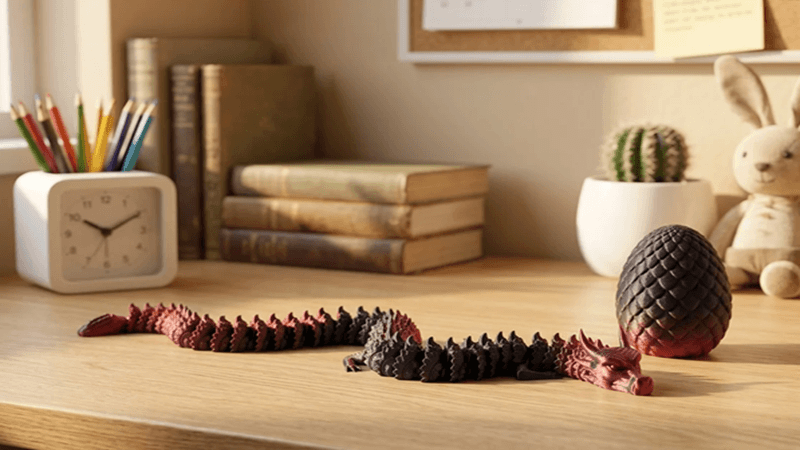
A creature that arrives inside an egg gives imaginative play an immediate beginning. Nexbie’s 3D-printed dragon egg collection pairs textured shells with hidden dragons, combining a reveal with a distinctive display object. Choose a specific design that matches the child’s favorite colors or fantasy interests, then let them invent the dragon’s name and story. A simple handmade map adds a personal touch without needing another large purchase. Draw a mountain, a forest, and an unexplored corner, leaving space for the child to decide what happens next.
3. Drawing Kit Built Around One Interest
Choose a sketchbook and a manageable set of pencils or markers, then add a few optional prompts connected to the child’s interests. A dinosaur enthusiast might enjoy designing a new species; a vehicle fan could draw an imaginary city. Good matching matters more than including every possible color. Check that the materials suit the child’s age and the paper works with them. A folder for finished pictures is a useful addition, giving the gift a place in everyday life rather than leaving loose drawings scattered around the house.
4. Building Set With Room for Variation
A construction set works well for children who enjoy watching a project take shape. Look for a challenge that stretches their current experience without demanding help at every step. If they already own a building system, a compatible addition may be more useful than starting another collection. Choose a set with possibilities beyond the first model if the child likes experimenting. A storage tray can keep the pieces together and make it easier to move an unfinished build away from the family table when dinner is ready.
5. Small Craft Project They Can Finish
Completing a project can be part of the pleasure, so consider how much time and patience the kit requires. A manageable decoration, simple weaving activity, or beginner sewing project may be more inviting than a huge assortment of supplies with no obvious starting point. Check what is included and prepare any essential extras before wrapping. The child should be able to begin with appropriate supervision, rather than discover that the crucial adhesive or tool still needs to be bought after the shops close.
6. Puzzle Featuring a Favorite Subject
Choose the picture with as much care as the difficulty. A child who loves space may be more eager to assemble planets than a generic landscape, even when both have a similar number of pieces. Consider piece size, experience, and the space available for working. A puzzle can also become a shared holiday activity without requiring everyone to participate constantly. Set it on a suitable surface and let family members add pieces as they pass. For younger children, select a product specifically labeled for their age.
7. Book That Starts a New Conversation
A well-chosen illustrated book can introduce a new story while staying close to a familiar interest. Ask what the child has enjoyed recently and whether they prefer reading independently or listening. Graphic stories, illustrated nonfiction, and novels offer different entry points into the same subject. Include a short inscription explaining why you chose it, with a gift receipt if duplicates are possible. Avoid treating reading level as a competition. The best book is one a child continues to enjoy reading long after the holiday excitement has faded.
8. Family Game That Fits an Ordinary Evening
Compare the player count and playing time with the household’s routine. A game that works with the people usually available is easier to revisit than one requiring a large gathering. Clear rules and a manageable session can make spontaneous play more appealing. Think about the child’s temperament too. Some enjoy competition, while others prefer working toward a shared result. Choose accordingly, and offer to learn the rules ahead of time so the first session can begin without a long explanation over the table.
9. Nature Discovery Kit
Combine a notebook, pencils, and a simple container for permitted finds such as fallen leaves. Add a few observation prompts: notice three different shapes, sketch a tree, or describe the clouds. The kit can be modest because the outing supplies much of the interest. Plan a suitable walk with a caregiver and adapt it to local conditions. Avoid collecting living creatures or unfamiliar plants. Photographs and drawings can preserve discoveries without bringing everything home, keeping the activity easy to repeat throughout the year.
10. Afternoon Chosen by the Child
Offer a small menu of realistic activities, such as baking, a museum visit, or a trip to a favorite park. Explain what the gift includes and let the child choose within those options. Having a say can make an ordinary afternoon feel special. Put a suggested date in the card and follow through. A tangible written invitation gives the experience something to unwrap, while a clear plan prevents it from becoming a vague promise that disappears in the busy weeks after Christmas.
Conclusion
A thoughtful children’s gift connects an appealing idea with an activity they genuinely enjoy. Choose for current interests, check age suitability, and make the first use easy. From Nexbie’s animal and dragon collectibles to creative supplies and shared outings, these ten options offer different ways to make Christmas memorable after the wrapping paper is gone.